
Water Heating · Florence, SC
Tank Water Heater Replacement in Florence, SC: Sizing, Venting and the Inspection Before Installation
Most people replace a water heater on the day the old one fails, which is the worst day to be choosing one. The decisions get made in twenty minutes under pressure, and the usual result is a like-for-like swap that may not be the right unit for the house.
If you have a few days, the choices worth thinking about are fuel, capacity and type. If you do not, we will talk you through them on the phone while the old unit is draining.
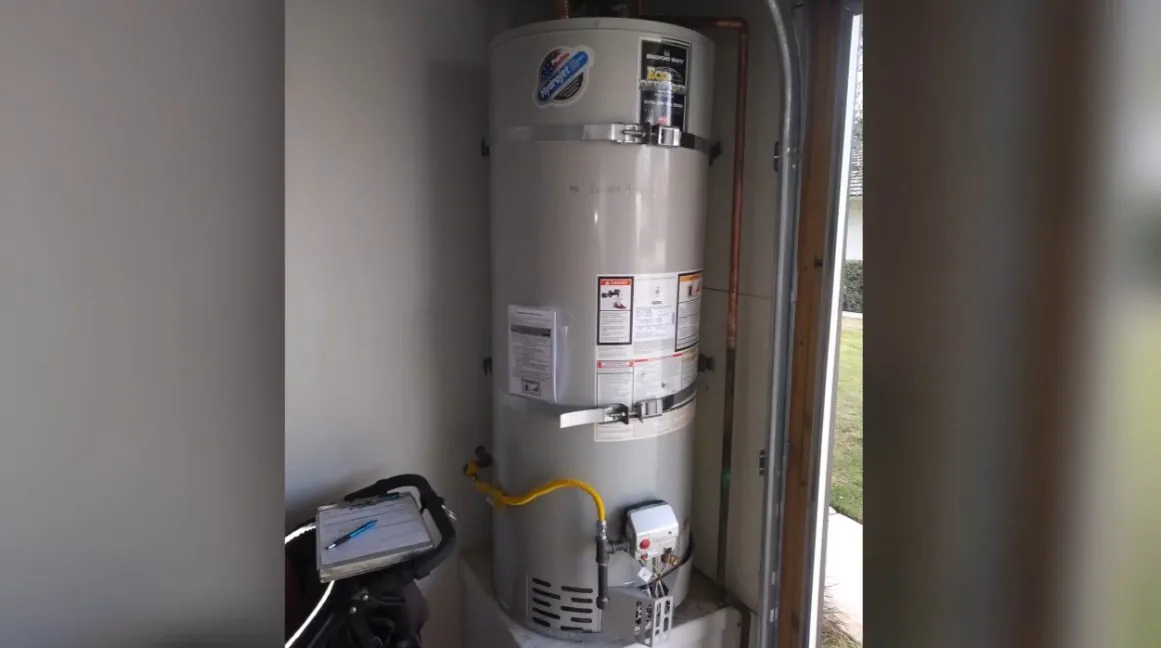
Replace or repair, decided honestly
Before anything else: not every failed heater needs replacing. An element, a thermostat, a thermocouple or a dip tube on a unit under about eight years old is usually worth repairing, and we would rather tell you that than sell a tank.
Replacement is the right answer when the tank itself is leaking from the shell, when the unit is past about twelve years with heavy sediment, or when the repair cost starts approaching a meaningful share of a new install.
Water heater sizing: first-hour delivery and recovery
The number on the tank is only half the story. What determines whether you run out of hot water is first-hour delivery, which combines the stored volume with how fast the unit reheats.
A household where three people shower in sequence each morning has a different requirement from one where the same three are spread across the day, even with identical occupancy. Fixture count matters too: a large soaking tub can empty a tank that handles showers comfortably.
Going larger than needed carries its own cost. A bigger tank holds more water at temperature around the clock, and in a utility space that is already tight the physical footprint can rule it out.
| Household | Tank range | Watch out for |
|---|---|---|
| 1 to 2 people | 30 to 40 gallon | A soaking tub changes this |
| 3 to 4 people | 40 to 50 gallon | Simultaneous morning demand |
| 5 or more | 50 to 80 gallon, or two units | Recovery rate matters more than volume |
| Any size, gas | Check venting first | Existing vent may not suit a new unit |
Not sure what size you actually need? Tell us the household and the fixtures and we will size it properly.
Call (866) 919-0785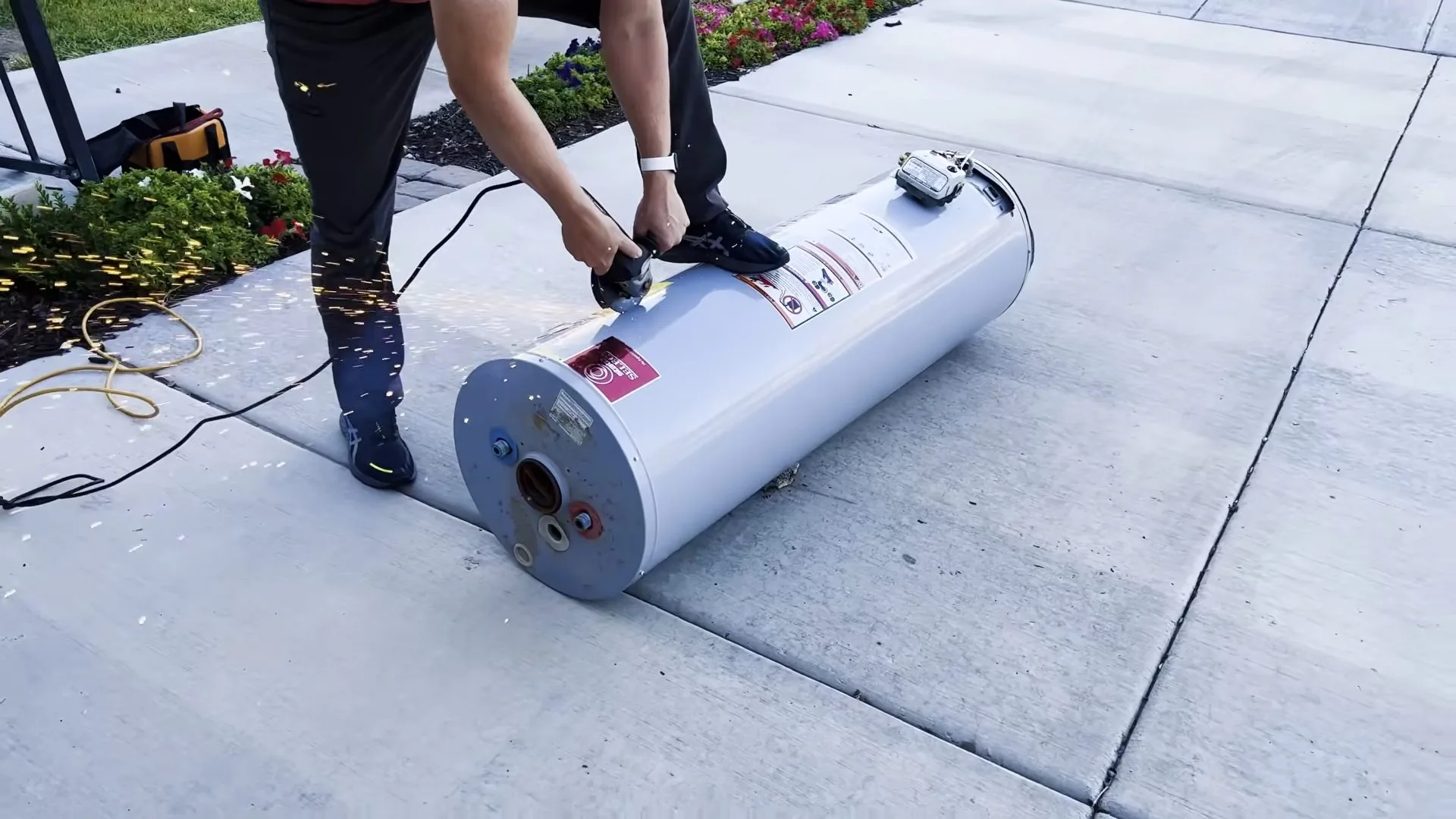
Gas, electric and hybrid
Gas units heat faster and recover quicker, which is why they suit larger households. The constraint is venting and gas supply: a new unit may want a different vent configuration than the one it replaces, and that is work in its own right.
Electric units are simpler to install and have no combustion to vent, but recover more slowly, so sizing matters more. They also need the circuit to actually match the unit, which an older panel does not always provide.
Hybrid heat pump units draw heat from the surrounding air rather than generating all of it. They are efficient and they suit this climate, but they need air volume around them and they produce cool air and condensate. A tight interior closet is the wrong place for one; a garage or a larger utility space is the right one.
The parts that get replaced at the same time
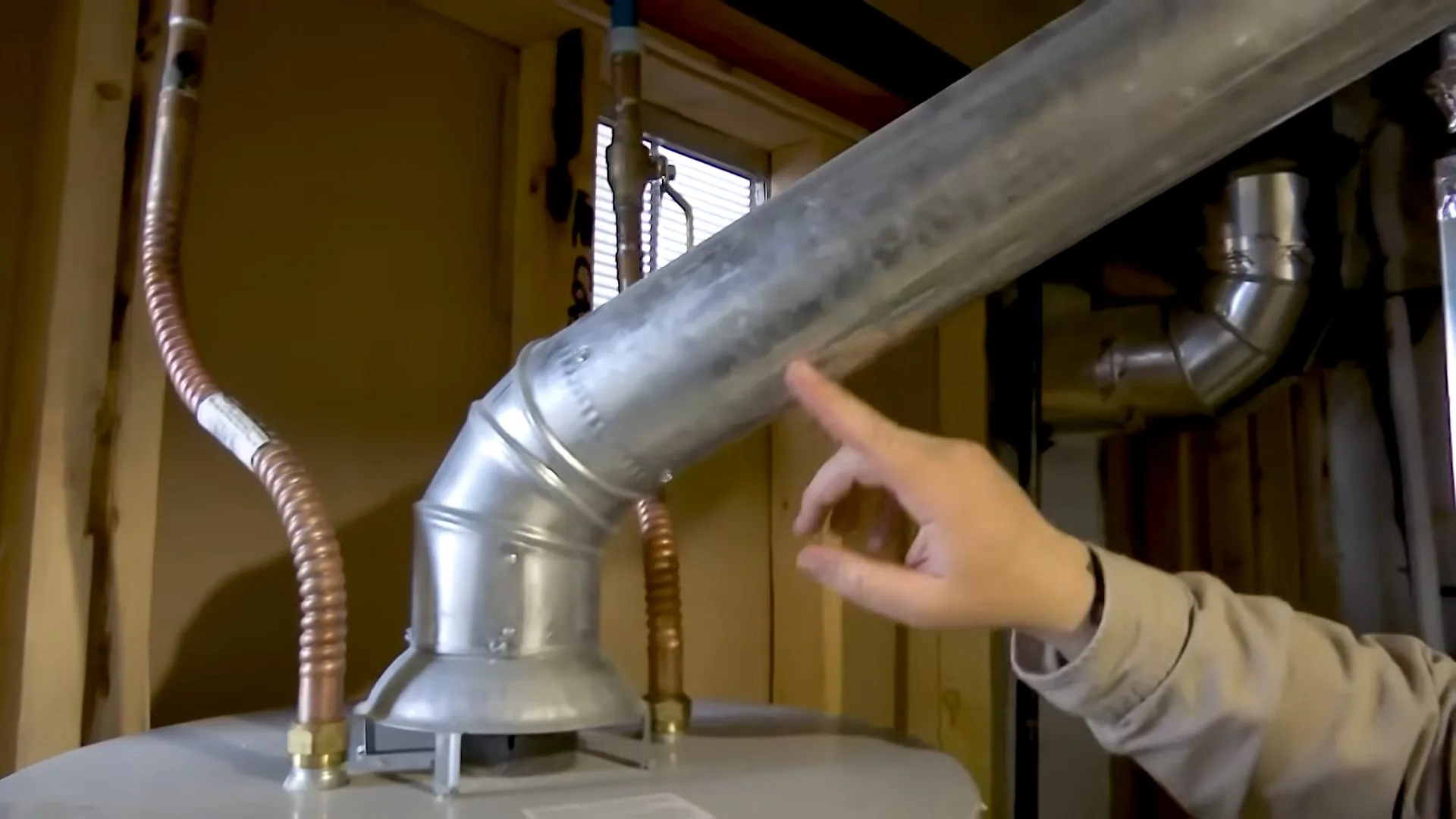
A replacement is the one moment when several adjacent parts are easy to reach, and leaving an original component in place is how a new install develops an old problem.
- The temperature and pressure relief valve and its discharge pipe, routed correctly
- Flexible supply connectors, which are inexpensive and are a common failure point
- The shutoff valve feeding the heater, if the existing one is stiff or weeping
- An expansion tank where the system is closed and pressure has nowhere to go
- The drain pan and its line, which is what keeps a future failure off the floor
Permits and the inspection sequence
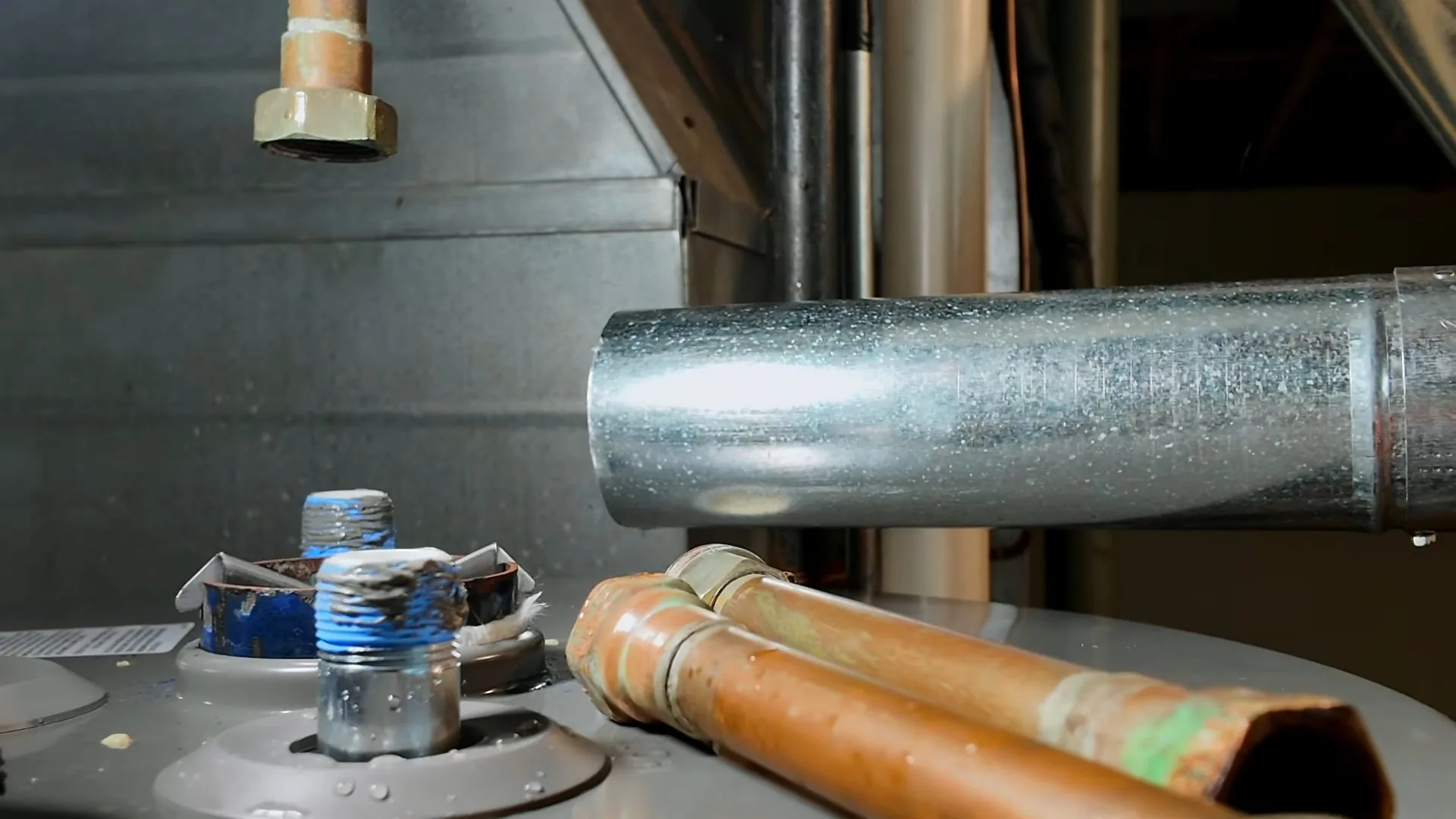
Water heater replacement is permitted work in Florence County, through the Building Inspection Department on (843) 676-8600. The application needs a receipt showing water and sewer taps are paid, and proof of an SC license where one is required.
Plumbing gets underground, rough-in and final inspections as applicable, with tests following Section P312 of the Standard Plumbing Code. Where the job touches gas piping, that carries its own sequence: rough piping, then final piping including a pressure test, before the appliance is connected.
Inspection requests are usually handled within about two days. We handle the permit and the scheduling as part of the work rather than leaving it with you.
Where the unit sits, and what that costs you later
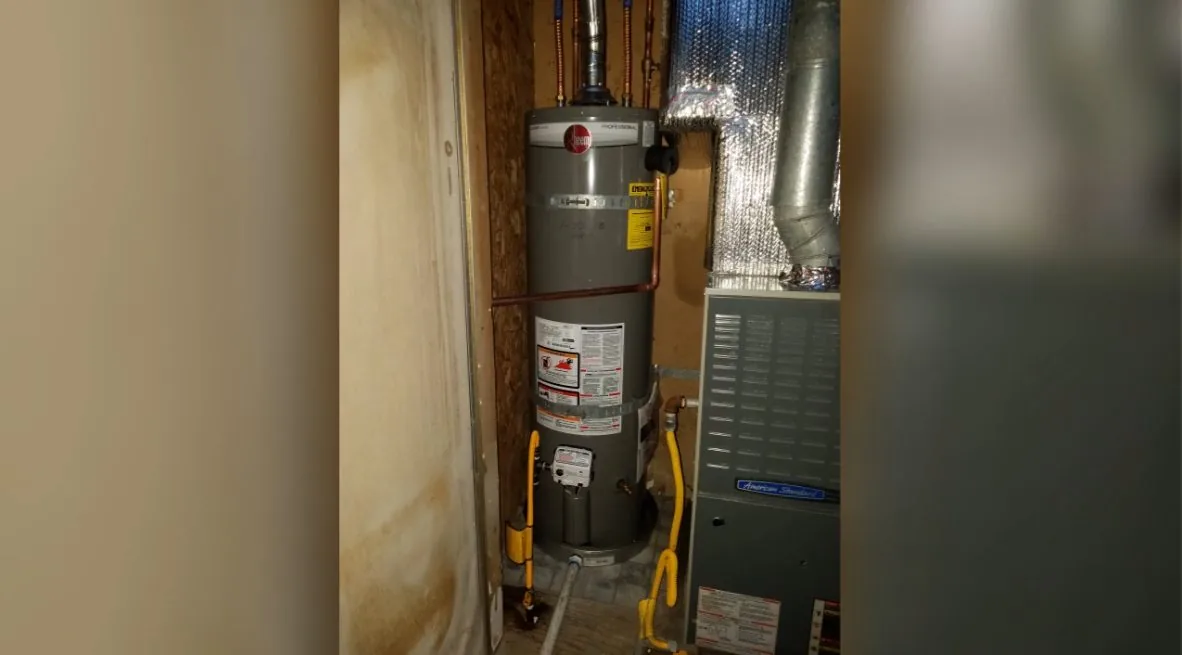
Location decides how expensive the next failure is. A heater in a garage or a utility room with a drain nearby can fail without doing much damage. The same unit in an interior closet over finished flooring is a very different event.
Where the position cannot change, a drain pan plumbed to somewhere sensible is the thing that turns a flood into a puddle. It is a small part of the install cost and it is the one most often skipped.
What Florence water means for a new tank
City of Florence Utilities draws roughly 60 percent of supply from the McQueen Branch Aquifer through groundwater wells, with the rest from the Frank E. Willis Pee Dee River Regional Surface Water Plant. Reporting on the city's infrastructure programs cites elevated iron as the cause of discolored water at the tap.
Iron and fine sediment settle to the bottom of a tank and sit there. That layer is what produces the rumbling sound as the burner or element heats through it, and it shortens the life of the unit above it.
So the single most useful thing you can do for a new heater here is flush it annually. We set the drain valve and the access so that is a straightforward job rather than an awkward one.
Removal and disposal of the old unit
The old heater goes with us. A drained tank is still heavy and awkward, and getting one out of an interior closet or down a set of stairs is the part homeowners underestimate when considering doing this themselves.
Where the old unit failed by leaking, we check what it leaked onto before the new one goes in. Setting a new heater on a subfloor that has been quietly wet for months just hides the problem for another few years.
Choosing a replacement, answered
How long should a new water heater last in Florence?
A conventional tank unit generally runs 8 to 12 years. The thing that most affects where in that range you land is sediment. City of Florence supply is roughly 60 percent groundwater and reporting cites elevated iron as the cause of discolored water, and iron and sediment settle to the bottom of a tank. Flushing annually is the single most useful maintenance you can do here.
Should I get gas, electric or a hybrid heat pump unit?
Gas recovers fastest and suits larger households, but venting and gas supply have to work for the unit you choose. Electric is simpler to install but recovers more slowly, so sizing matters more, and an older panel may not provide the circuit. Hybrid heat pump units are efficient and suit this climate, but they need air volume around them and produce cool air and condensate, so a tight interior closet is the wrong place for one.
Do I need a permit to replace a water heater?
Yes. Replacement is permitted work through the Florence County Building Inspection Department on (843) 676-8600, and the application needs a receipt showing water and sewer taps are paid. Plumbing gets underground, rough-in and final inspections as applicable, with tests following Section P312 of the Standard Plumbing Code. If the job touches gas piping, that has its own rough and final sequence including a pressure test before the appliance is connected.
What does water heater replacement cost in Florence?
It depends on the type and size, whether venting or the electrical circuit has to change, and how accessible the location is. A like-for-like swap in a garage with good access sits well below a hybrid unit going into a space that needs modification, or a gas unit whose vent configuration has to be reworked. We give a range before starting, and the Cost page carries a wide market range for tank replacement.
Can I install a water heater myself?
It is permitted and inspected work, and South Carolina requires a Residential Plumber license from the Residential Builders Commission for residential work over $500, which a heater replacement generally exceeds. Beyond the legal position, the gas venting and the relief valve discharge are the two things most often got wrong, and both are safety items. You can check any contractor at verify.llronline.com under that Commission.
Replacing a water heater in Florence?
Describe what is happening and you get a straight read on the likely cause, what the fix involves, and a price range before any work starts.