
Leak Detection · Florence, SC
Hidden Slab Leak Repair in Florence, SC: Warm Floor Spots, Rising Water Bills and the Reroute Decision
A slab leak is a pipe failing underneath a concrete floor, and it announces itself indirectly. Nobody sees the leak. What people notice is a water bill that jumped with no change in use, a patch of floor that is warm underfoot, or the sound of water running when every tap in the house is closed.
The expensive mistake is opening concrete in the wrong place. Location comes first, non-destructively, and only then does anything get cut.
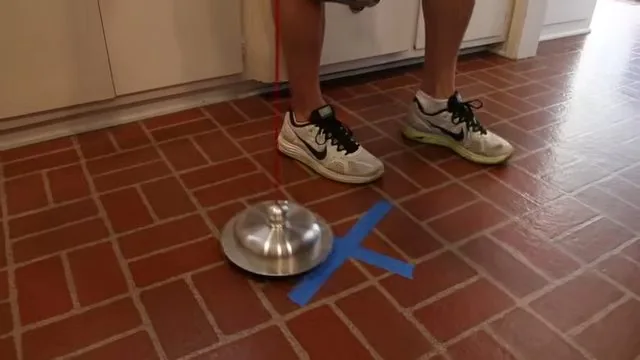
Confirming there is a leak at all
Before locating anything, we confirm the house is actually losing water, because several of the symptoms above have other explanations.
The meter test settles it. Every fixture is closed, the meter is read, and it is read again after a set interval. Movement with everything off means water is leaving the system somewhere. If the meter is static, the warm floor is something else and we say so rather than selling a leak hunt.
Isolating the water heater from the rest of the system then tells us whether the loss is on the hot side, which it usually is, because hot lines fail first.
- Water bill up with no change in household use
- A warm or hot patch on a floor that is otherwise uniform
- The sound of running water with every fixture closed
- Damp or discoloured flooring, or carpet that stays damp in one area
- Reduced hot water pressure across the house rather than at one tap
- A hot water heater that runs more often than it used to
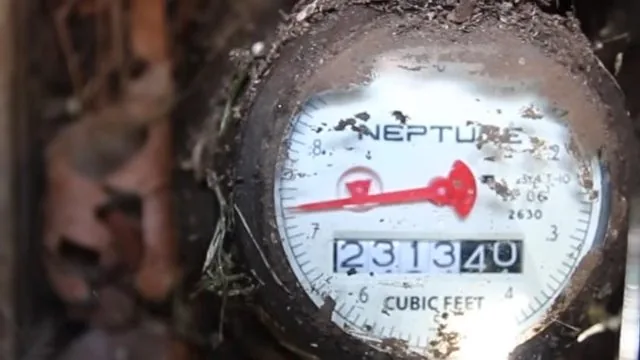
Finding a slab leak with acoustic and thermal methods
Location uses three methods together because each has blind spots. Acoustic listening picks up the sound of escaping water conducted through the slab, which is precise but struggles under thick finishes.
Thermal imaging finds the temperature difference a hot-line leak creates, which is fast and works well on hot-side failures but says little about a cold line. Pressure testing isolates which line is losing, which narrows where to look before anyone listens for it.
Used together these put the leak within a small area, which is the difference between opening one section of floor and exploring.
Meter moving with everything off? That is the test worth doing first, and we can talk you through it on the phone.
Call (866) 919-0785What actually causes slab leaks here, and what does not
The soil story that does not apply in Florence
This is worth being precise about, because a lot of plumbing content about slab leaks was written for other parts of the country and does not describe this one.
Florence sits in the Southern Coastal Plain, on marine and fluviomarine deposits. The widespread upland soils of this region take the Norfolk series as their USDA type example. Those are well drained sandy loams over sandy clay loam, with a seasonal high water table 40 to 72 inches down in winter. The part that matters here is their low shrink-swell potential.
Low shrink-swell matters because the standard slab leak story elsewhere is expansive clay moving seasonally and shearing pipework. That is a real mechanism in central Texas and parts of the Southwest. It is not the mechanism here, and neither caliche nor post-tension cable construction is a local factor.
What it usually is instead
So when a slab leak happens in Florence, the cause is far more often the pipe itself or how it was installed. A copper line abrading where it passes through concrete, a fitting under the slab that was always marginal, water chemistry working from the inside, or simple age.
That changes the right response. Where soil movement is the cause, a repaired section often fails again nearby for the same reason. Where pipe condition is the cause, the decision is about the condition of the rest of that line, which is a question a pressure test and the home's leak history can actually answer.
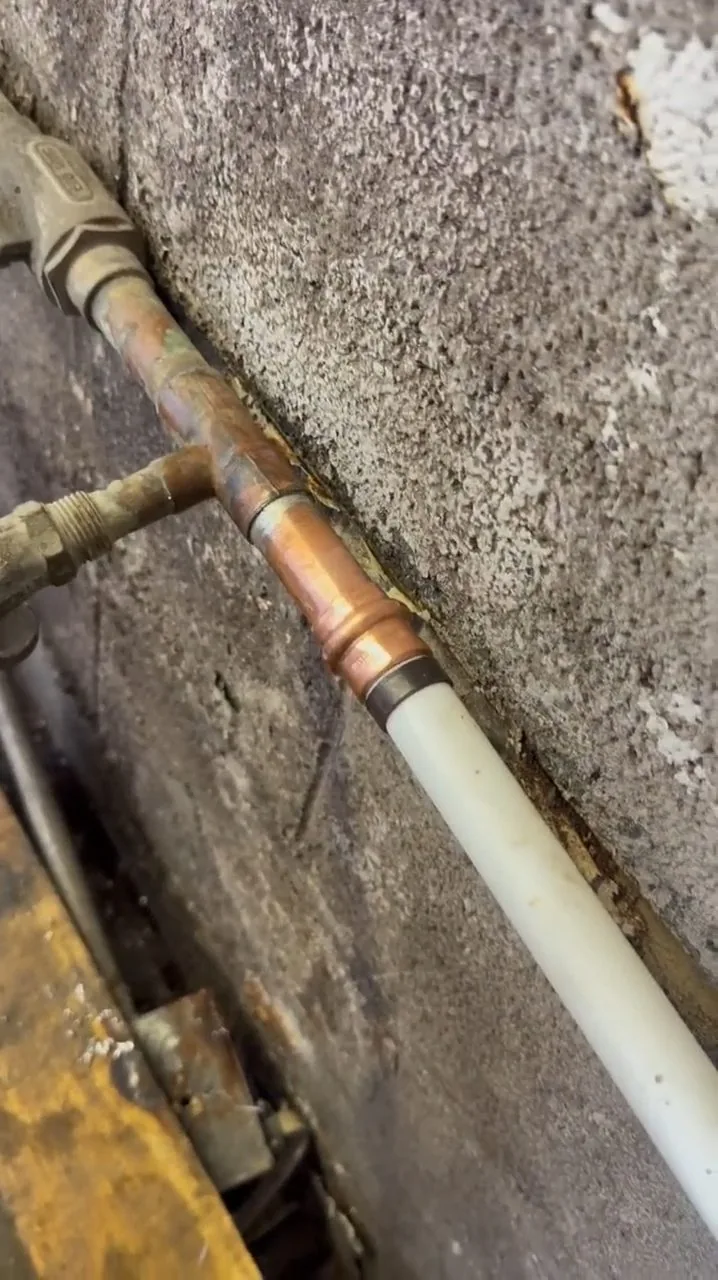
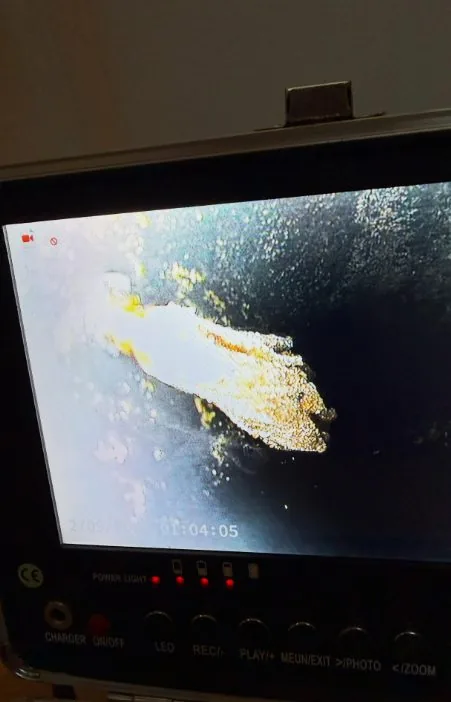
Slab leak repair options and how the right one is chosen
Once located, there are three real options, and which one is right depends on the line's condition rather than on preference.
| Approach | Best when | Trade-off |
|---|---|---|
| Spot repair through the slab | One isolated leak on a line in good condition | Opens and repatches a section of floor |
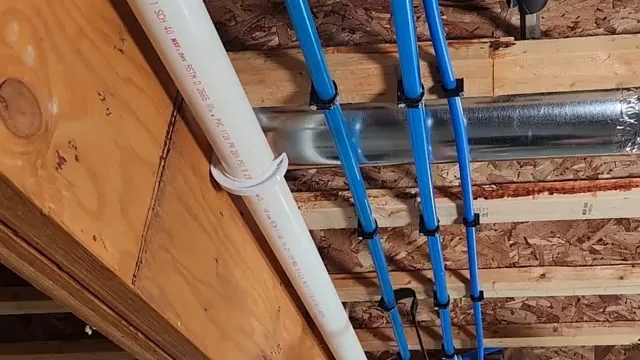
| Reroute above the slab | The line is suspect but the rest of the house is fine | Pipe runs through wall or attic space |
| Repipe that line or the house | Repeat leaks, or a line at the end of its life | Largest job, but ends the cycle |
The honest rule of thumb is that a first leak on an otherwise sound line is a spot repair. A second leak on the same line within a couple of years is telling you something about the line rather than about bad luck. At that point a reroute or a repipe usually costs less than the next two repairs plus their floor work.
What a slab leak does if it is left
Water escaping under a slab does not pool politely. It migrates along the path of least resistance, which means it can surface several feet from the leak or not surface at all while saturating the fill under the floor.
The visible consequences are flooring that lifts or discolours, baseboards that stay damp, and in a humid climate a persistent musty smell as the moisture works into the structure above. The water bill is usually the smallest part of the problem.
Slab leak questions from Florence homeowners
How do I know whether I actually have a slab leak?
The meter test is the one to do first and you can do it yourself. Close every fixture in the house, read the meter, wait a set interval without using any water, and read it again. If it has moved, the house is losing water somewhere. If it is static, the warm floor or damp patch has another explanation and a leak hunt would be wasted money.
Is my slab leak caused by soil moving under the house?
Almost certainly not, in this area. Expansive clay soils drive that mechanism in places like central Texas, not here. Florence sits in the Southern Coastal Plain on marine deposits, and the widespread upland soils here are well drained sandy loams with low shrink-swell potential. Slab leaks in Florence are usually about the pipe itself: abrasion where it passes through concrete, a marginal fitting, water chemistry or age.
Do you have to break up my floor to find it?
No, and that is the point of locating it first. Acoustic listening, thermal imaging and pressure testing are used together to put the leak inside a small area before anything is cut. Concrete only gets opened once we know where, and then only at that spot. Opening floor to search is what makes a slab leak expensive.
What does slab leak detection and repair cost in Florence?
Detection and repair are usually priced separately, because the detection decides which repair you are choosing between. A single spot repair on a sound line sits well below a reroute, and a reroute below a repipe. Access, floor finish and how deep the line sits all move the number. We quote a range before starting and the Cost page lists a wide market range for slab leak detection and spot repair.
Should I repair this one or repipe the whole line?
A first leak on a line that is otherwise in good condition is normally a spot repair. A second leak on the same line within a couple of years is a signal about the line rather than bad luck, and a reroute or repipe at that point usually costs less than the next two repairs plus the floor work each one needs. We give you the leak history, the pressure test result and all three prices rather than deciding for you.
Warm spot on the floor or a bill that jumped?
Describe what is happening and you get a straight read on the likely cause, what the fix involves, and a price range before any work starts.