
Fixtures · Florence, SC
Running Toilet Repair in Florence, SC: Fill Valves, Wax Rings and Bowls That Rock
Almost everything that goes wrong with a toilet is one of three parts inside the tank, and all three are inexpensive. Knowing which one is misbehaving turns a vague complaint into a specific repair.
The exception is anything involving movement at the base, because that is a different problem with a different cost attached.
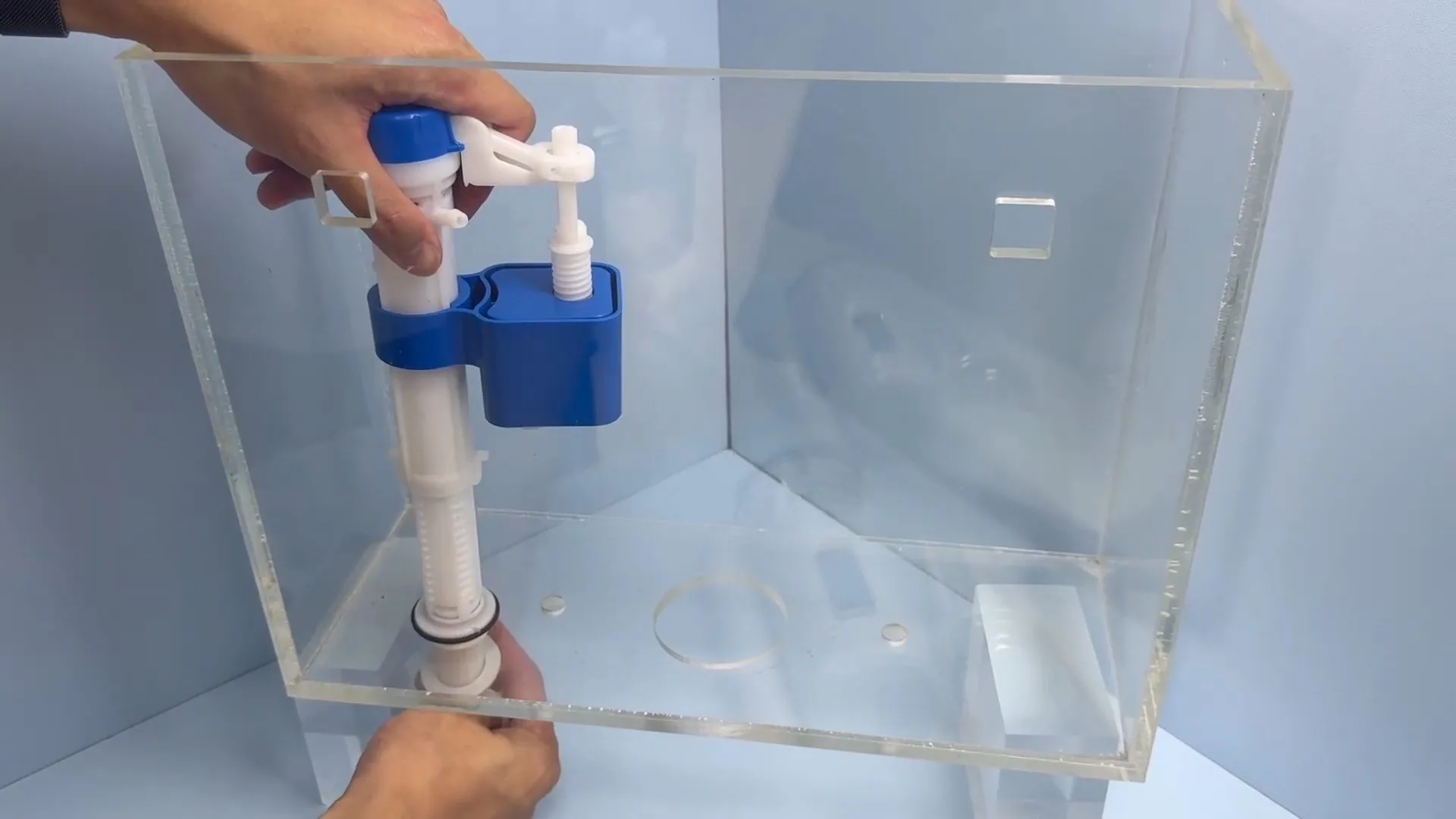
The three parts inside the tank
The flapper is the rubber seal at the bottom. It lifts when you flush and drops to hold water in the tank. It hardens and warps with age, and once it no longer seats, water passes continuously into the bowl.
The fill valve refills the tank afterwards and shuts off at a set level. When it fails it either never quite shuts off, or shuts off at the wrong level.
The float tells the fill valve when to stop. Set too high, water runs into the overflow tube continuously, which looks exactly like a flapper problem but is not.
The running toilet, and the silent version
A toilet that runs audibly is annoying and easy to notice. The expensive one is the silent leak, where a slightly imperfect flapper passes a thin trickle into the bowl with no sound at all.
That trickle runs every hour of every day. It is one of the most common causes of a water bill that rose with no change in household use, and it is also one of the least costly things to fix once identified.
Testing for a silent leak yourself
- Take the tank lid off and add a few drops of food coloring to the tank water.
- Do not flush. Leave it for about twenty minutes.
- If color appears in the bowl, the flapper is passing water and needs replacing.
- If the bowl stays clear, the leak is somewhere else and worth a proper look.
Water bill up and no obvious cause? The dye test takes twenty minutes and often finds it. Call if you want talking through it.
Call (866) 919-0785Phantom flushing
A toilet that refills on its own when nobody has flushed is the same fault wearing a different costume. Water has leaked out of the tank slowly enough that nothing was audible, the level has dropped far enough to trip the fill valve, and the valve has topped it back up.
The cause is almost always the flapper or the seal it sits on. Replacing the flapper and cleaning the seat it closes against resolves the great majority of these.
| What it is doing | Usual cause | Fix |
|---|---|---|
| Runs constantly, audible | Flapper not seating, or float set too high | Flapper, or adjust the float |
| Refills on its own, no flush | Slow flapper leak dropping the tank level | Flapper and seat |
| Weak or incomplete flush | Low tank level, or blocked rim holes | Adjust the float, clear the rim |
| Handle needs holding down | Chain length or a worn flush lever | Chain adjustment or lever |
| Water on the floor at the base | Seal below the toilet, or a cracked bowl | Pull and inspect; this one is not a tank part |
| Tank sweats in summer | Condensation, not a leak | Insulated tank or a tempering valve |
Clogs, and the ones that are not really clogs
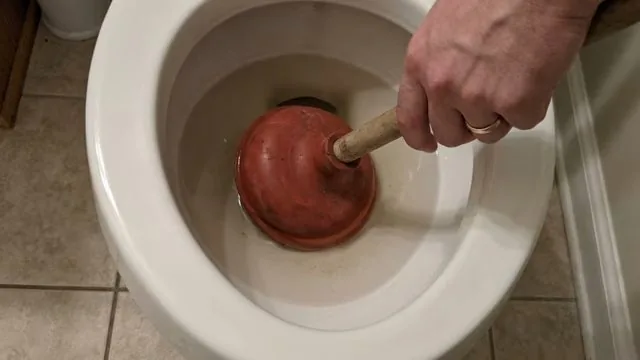
A single blocked toilet that clears with a plunger was a clog. A toilet that blocks repeatedly, or that gurgles when a bath or washing machine drains, is telling you about the line rather than the fixture.
The distinguishing question is whether anything else in the house is affected. If a toilet backs up while a shower drains slowly, the problem is shared pipe downstream and plunging the toilet will not reach it.
Wipes are the most common genuine cause, including the ones sold as flushable. They do not break down the way paper does and they catch on anything rough inside the line.
Replacement, and what is worth choosing
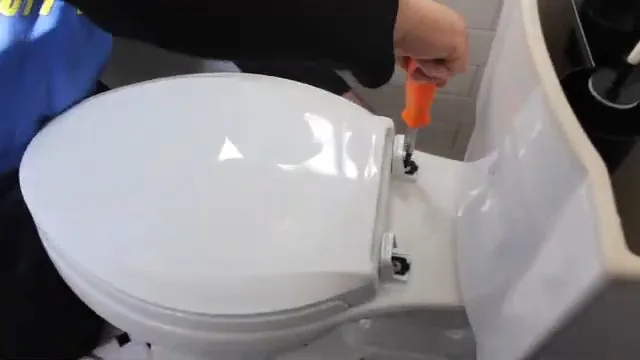
Where a bowl is cracked, where a toilet has been repaired repeatedly, or where someone wants a different height or a more efficient flush, replacement is straightforward work.
The decisions worth making are rough-in distance, which is the measurement from the finished wall to the closet bolts and is usually twelve inches but not always, and bowl height. A comfort-height bowl makes a real difference for anyone with mobility or joint problems.
One-piece units are easier to clean and have no tank-to-bowl gasket to fail. Two-piece units cost less and are easier to carry up a flight of stairs.
Relocating a toilet
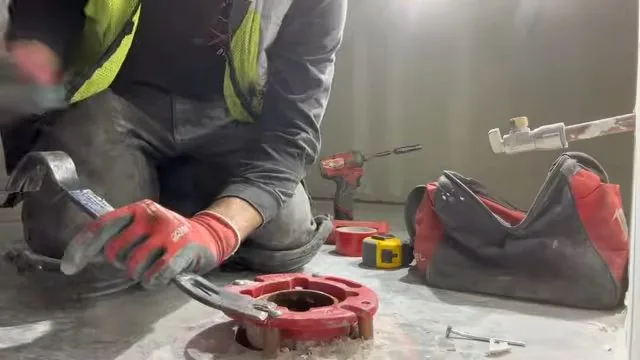
Moving a toilet is a different order of job from replacing one, because the drain has to move with it. That means opening the floor, re-running waste with correct fall, and dealing with venting at the new position.
It is permitted work in Florence County, through the Building Inspection Department on (843) 676-8600, with underground plumbing inspected after the trench is open and the pipe is in, before backfill, then rough-in, then final. Tests follow Section P312 of the Standard Plumbing Code.
Anyone quoting a toilet relocation as a half-day job has not planned for the inspection sequence.
When the problem is below the toilet, not inside it
Movement at the base is the symptom that is not a tank part and is not a clog. A toilet that rocks slightly breaks the seal underneath, and after that every flush puts a small amount of water into the subfloor.
By the time the floor feels soft around the base, the subfloor has usually been wet for a long time and the closet flange may be cracked or corroded. That is wet-space structural work rather than a fixture repair, and it is covered on the bathroom plumbing page.
What Florence water does to tank parts
City of Florence Utilities draws roughly 60 percent of supply from the McQueen Branch Aquifer through groundwater wells, and reporting on the city's infrastructure programs cites elevated iron as the cause of discolored water at the tap.
Iron is why toilet bowls here commonly show orange or brown staining that returns after cleaning, and it is also what shortens the life of flappers and fill valves by depositing on the surfaces that need to seal.
If staining is the complaint rather than the mechanism, that is a water treatment question rather than a toilet one.
Toilet questions we answer on the phone
Why does my toilet run on its own when nobody flushed it?
That is phantom flushing, and it is almost always the flapper. Water leaks slowly out of the tank into the bowl, quietly enough that nothing is audible, until the level drops far enough to trip the fill valve and it tops the tank back up. Replacing the flapper and cleaning the seat it closes against resolves most of these, and both parts are inexpensive.
How do I know if my toilet has a silent leak?
Take the tank lid off, add a few drops of food coloring to the tank water, and leave it twenty minutes without flushing. If color shows up in the bowl, the flapper is passing water. A silent leak runs every hour of every day and is one of the most common reasons a water bill rises with no change in use, so it is worth testing before assuming something larger.
My toilet keeps blocking. Is that the toilet or the drain?
The test is whether anything else is affected. A single toilet that clears with a plunger and stays clear was a clog. A toilet that blocks repeatedly, or that gurgles when a bath or washing machine drains, is pointing at shared pipe downstream, and plunging will not reach it. Wipes are the most common genuine cause, including the ones sold as flushable.
What does toilet repair or replacement cost in Florence?
Tank repairs are among the least expensive plumbing jobs, since a flapper, fill valve or float is a small part and quick work. Replacement depends on the unit and on whether the rough-in distance suits it. Relocating a toilet is a different order of job because the drain moves, which means opening the floor and permitted inspections. We give a range before starting and the Cost page carries wide market ranges.
Can I replace a toilet myself?
A like-for-like swap onto a sound flange is within reach for many people. The two things that catch people out are the rough-in measurement, which is not always twelve inches, and the state of the closet flange underneath, since setting a new toilet onto a cracked or corroded flange is the repair that does not hold. Relocation is permitted and inspected work; South Carolina requires a Residential Plumber license for residential work over $500, checkable at verify.llronline.com.
Toilet running, leaking or blocked?
Describe what is happening and you get a straight read on the likely cause, what the fix involves, and a price range before any work starts.