
Drainage · Florence, SC
When Snaking Fails: Hydro Jetting in Florence, SC for Grease, Roots and Repeat Blockages
If a line has been cleared twice and blocked again, the problem is not the blockage. It is whatever is still coating the inside of the pipe, and a cable passes straight through that without removing it.
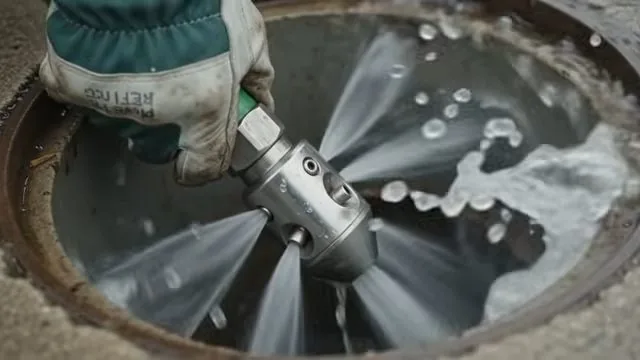
Jetting is the method that does remove it. High-pressure water scours the pipe wall back toward its original bore rather than punching a channel through the middle of what is there.
What actually builds up inside a line
Three things narrow a drain, and they behave differently. Grease enters warm and liquid, then cools and sets along the pipe wall, building a layer that thickens over months until the bore is a fraction of what it was.
Scale is mineral and iron deposition, and it produces a rough interior that catches everything passing over it. Roots are the third: fine hairs enter at a joint, thicken into a mass, and hold solids behind them.
All three share one property. They are attached to the pipe wall, which is why something that scours the wall works and something that bores through the middle does not.
Cabling against jetting, and when each is right
This is not a case where one method is simply better. They do different jobs, and using the heavier equipment on a problem the lighter method solves is waste.
| Cable or snake | Hydro jetting | |
|---|---|---|
| What it does | Bores a channel through the blockage | Scours the full pipe wall |
| Best on | A discrete clog, one-off | Grease, scale, root film, recurring blockages |
| Leaves behind | The coating on the wall | Pipe close to its original bore |
| Typical relief | Days to months on a coated line | Much longer, cause is removed |
| Needs | Access to the line | Access plus pipe sound enough to take pressure |
| Right choice when | First blockage, unknown cause | Second or third blockage in the same place |
Cleared more than once in a year? That is the pattern jetting is for, and a camera tells us whether the line can take it.
Call (866) 919-0785Why the camera comes first, every time
Jetting puts real pressure into a pipe, and a pipe that is already cracked, badly offset or partially collapsed is not a candidate. Putting pressure into a failing line can turn a repair into a replacement.
So the sequence is camera, then decide, then jet. The camera also tells us which nozzle the job needs, because grease, scale and roots each want a different one.
If the camera shows a structural fault rather than buildup, we say so and the conversation becomes a repair conversation. That is on the sewer line page rather than this one.
Hydro jetting step by step: camera, nozzle and hose
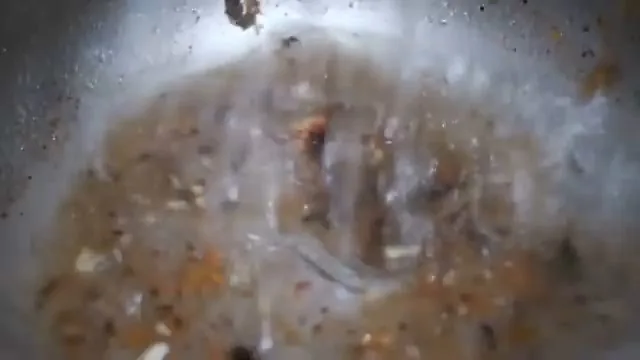
- Camera inspection to confirm the line is sound enough for pressure and to identify what is coating it.
- Nozzle selected for the material: grease, scale or root film each want a different head.
- The hose is fed to the far end of the run, then drawn back so debris is pulled toward the access point rather than pushed further in.
- Several passes, because a heavy layer does not come off in one.
- A final camera pass confirms the bore is genuinely clear, and that recording is yours.
Grease lines in commercial kitchens
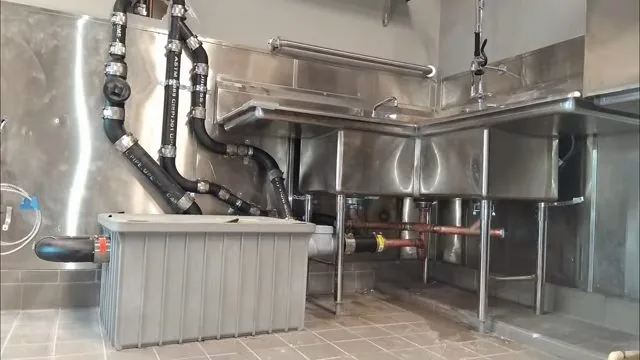
A commercial kitchen produces grease volumes no house approaches, and the result is a hard layer rather than a soft blockage. Cabling punches a hole through that layer and the hole closes again quickly, which is why kitchens that rely on snaking end up on a shortening cycle of emergency calls.
Jetting is the method that holds, and in a commercial setting it belongs on a schedule rather than on failure. Scheduled cleaning costs less than the closed evening that an unscheduled blockage produces.
Work is normally done outside operating hours for the same reason.
Roots, and what jetting does and does not solve
A cutting head on a jetter clears roots thoroughly, back to the pipe wall. What it cannot do is close the crack or open joint the roots came through, and that is worth being clear about because the roots will return to the same entry point.
So jetting a root-intruded line buys a long interval rather than a permanent fix. Whether that is the right answer depends on the line: where the entry is a single joint and the pipe is otherwise sound, lining that section ends the cycle, and that is covered on the trenchless page.
Why Florence County lines clog again: roots and heavy rain
Two things drive repeat blockages here. Mature tree cover close to residential streets is the first, and root intrusion follows from it.
The second is water volume. Florence County averages 45.3 inches of rain a year and has recorded 47 flood and flash flood events since 1993. A line already narrowed by a grease or scale layer copes in normal conditions and fails during the storm that pushes volume through it.
That is why a line that has only ever blocked during heavy rain is still worth cameraing. The rain is the trigger, not the cause.
Keeping a jetted line clear
- Let kitchen grease set and bin it rather than running hot water after it
- Use a hair catcher in showers and tubs; it is the highest-value item in a bathroom
- Avoid caustic drain chemicals, which damage older pipe and complicate later work
- Run rarely used fixtures monthly so traps do not dry out
- On a root-intruded line, plan the interval rather than waiting for the next backup
Jetting questions, including when not to
How is hydro jetting different from snaking a drain?
A cable bores a channel through a blockage. Jetting scours the full pipe wall back toward its original bore. That difference matters when the problem is a layer attached to the wall rather than a discrete object, because a cable passes straight through grease, scale or root film and leaves it in place. For a first blockage of unknown cause, cabling is usually the proportionate answer.
Can hydro jetting damage my pipes?
It can, on a line that is already failing, which is why we camera first every time. A pipe that is cracked, badly offset or partially collapsed is not a candidate, and putting pressure into it can turn a repair into a replacement. On a structurally sound line, jetting is safe. If the camera shows a fault instead of buildup, we tell you and the conversation becomes a repair one.
Will jetting stop roots coming back for good?
No, and we would rather be straight about that. A cutting head clears roots thoroughly back to the pipe wall, but it cannot close the crack or open joint they entered through, so they return to the same point. Jetting buys a long interval. Where the entry is a single joint and the pipe is otherwise sound, lining that section is what actually ends the cycle.
What does hydro jetting cost in Florence?
More than a straightforward cable clearing, because it is a different piece of equipment and a longer job. Length of run, access, what is coating the line and how many passes it takes all move the number, and camera inspection is usually priced separately. We give a range before starting, and the Cost page carries a wide market range for jetting a main sewer line.
Does jetting need a state-licensed contractor?
South Carolina requires a Residential Plumber license from the Residential Builders Commission for residential work over $500, and jetting generally exceeds that. Beyond the legal position, the equipment operates at pressures that will injure someone who mishandles it, and the judgement about whether a line can take pressure is the part that protects your pipe. Check any contractor at verify.llronline.com under that Commission.
Same blockage coming back?
Describe what is happening and you get a straight read on the likely cause, what the fix involves, and a price range before any work starts.