
Repiping · Florence, SC
Pinhole Leaks and Failing Pipes: Water Line Repair in Florence, SC or a Whole-House Repipe
Nobody repipes a house because they want to. They do it because they have stopped trusting the pipes, usually after the second or third leak in a short span.
That instinct is often right, and the arithmetic usually supports it. What matters is telling the difference between a house that genuinely needs replacing and one where two unrelated repairs happened to land close together.
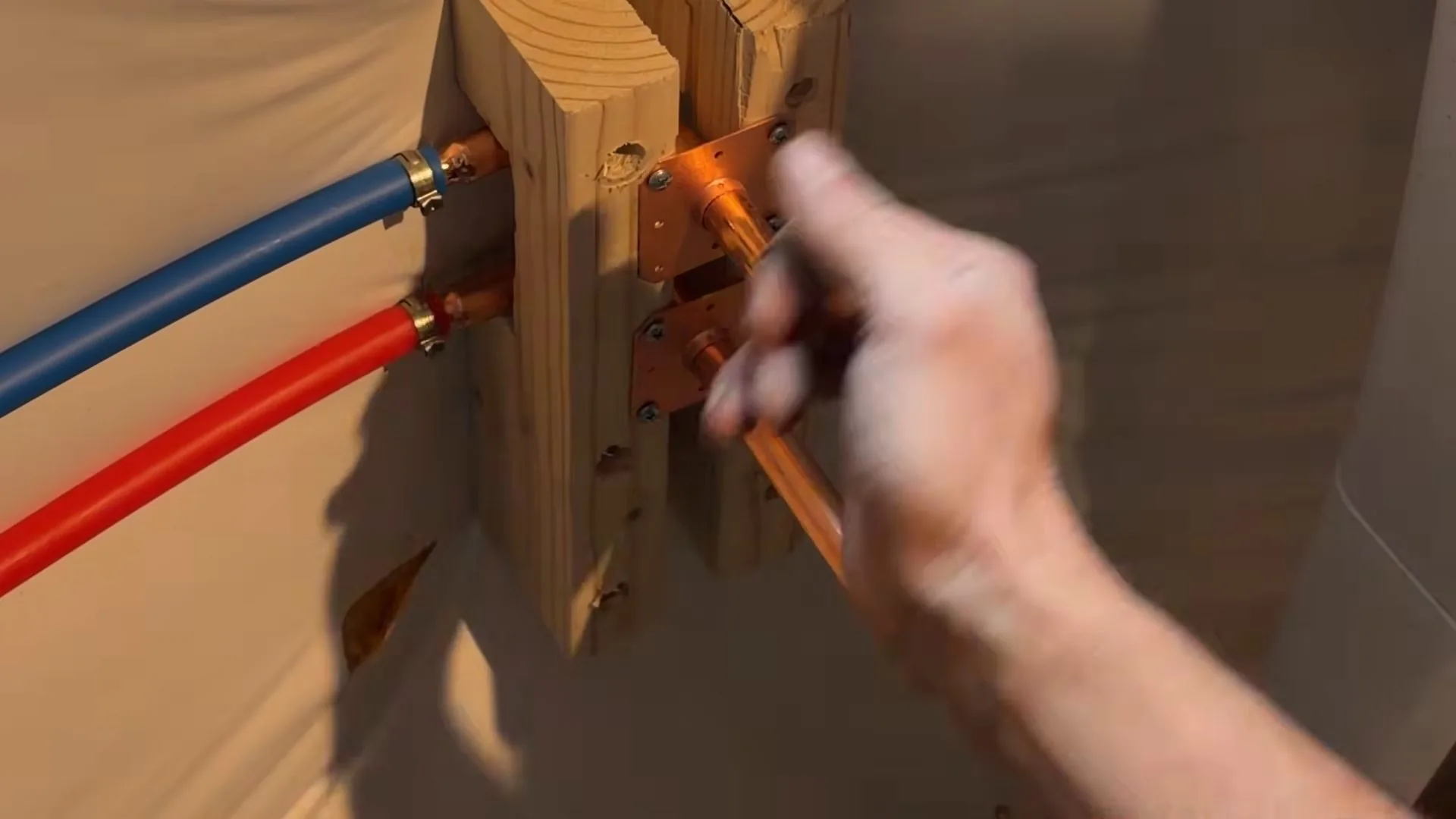
The signals that mean the system rather than the pipe
One leak is a repair. What tells you something about the whole system is a pattern, and these are the patterns worth taking seriously.
- Two or more leaks on the same system within a couple of years
- Pinhole leaks appearing at more than one point on the same line
- Pressure falling across the whole house rather than at one fixture
- Discolored water on first draw that clears after running, pointing at pipe interior rather than supply
- Visible corrosion or green staining at accessible joints and connections
- Repairs that keep landing on the same run in different places
The common thread is repetition in the same system. A leak at a hose bib and a failed water heater in the same month are two unrelated events. Three pinholes on one run inside two years is one event with three symptoms.
Spot repairs plus finish work against the cost of a repipe
Each spot repair has a cost, and so does the finish work around it: the opened wall, the patched ceiling, the section of floor. The second and third of those often cost more than the plumbing did.
Set that against a repipe, and the question becomes how many more repairs the existing system has left in it. Where the answer is one or two, repairing is sensible. Where the pattern says four or five, the repipe usually costs less in total and ends the uncertainty with it.
We will give you both numbers rather than steering you toward the larger job. A house that needs one repair should get one repair.
Had more than one leak recently? Tell us where each one was and we will tell you whether it reads as a pattern.
Call (866) 919-0785PEX against copper
Both are good materials and the choice is less dramatic than it is sometimes made to sound. What differs is installation, behaviour and cost.
| PEX | Copper | |
|---|---|---|
| Installation | Flexible, fewer fittings, less opening up | Rigid, each turn is a joint |
| Wall damage | Less, it threads through cavities | More, needs straighter access |
| Cost | Lower material and labour | Higher on both |
| Freeze behaviour | Expands somewhat before splitting | Splits |
| Pinhole corrosion | Not susceptible | Susceptible, depending on water |
| UV exposure | Degrades, must not run in sunlight | Unaffected |
| Service life | Decades | Decades, water chemistry dependent |
In practice most residential repipes here use PEX, because the reduced wall damage is a genuine saving on the finish work and because it is not susceptible to the pinhole corrosion that brought many houses to a repipe in the first place. Copper remains a sound choice where someone wants it.
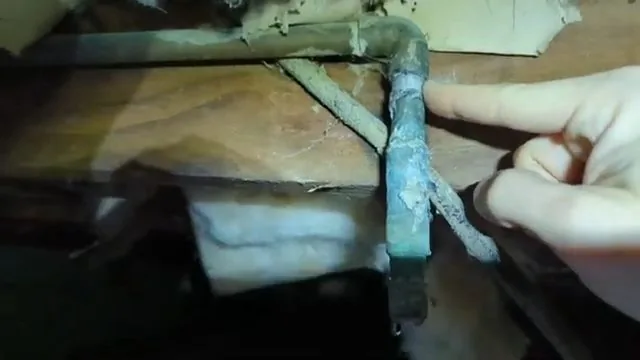
How a repipe runs: mapping, access points and new lines
- The existing system is mapped: every run, every fixture, every shutoff, and where the lines travel.
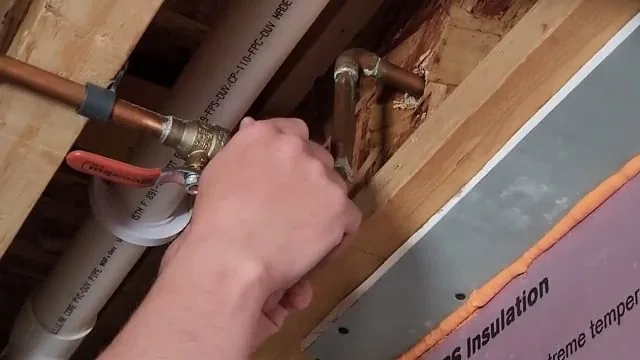
- Access points are opened. This is the part that decides how disruptive the job feels, and a good plan minimises it.
- New lines are run alongside the old ones wherever possible, so the house keeps water for most of the work.
- Fixtures are transferred to the new system in groups rather than all at once.
- The system is pressure tested before anything is closed up, and inspected.
- Access points are closed and patched.
- The old lines are capped and abandoned in place where removing them would mean more demolition than leaving them.
Repipe disruption by house type: crawl space or two-storey
This is the question people actually want answered, and the honest version is that it depends on construction rather than on the plumber's skill.
A single-storey house on a crawl space is the most straightforward case, because most of the work happens underneath. A two-storey house means running lines between floors and more access points in ceilings. A slab-on-grade house usually means routing overhead through the attic rather than under the floor.
Most homes keep water for the majority of the job, with one or two planned interruptions. We tell you when those are before the work starts rather than on the morning they happen.
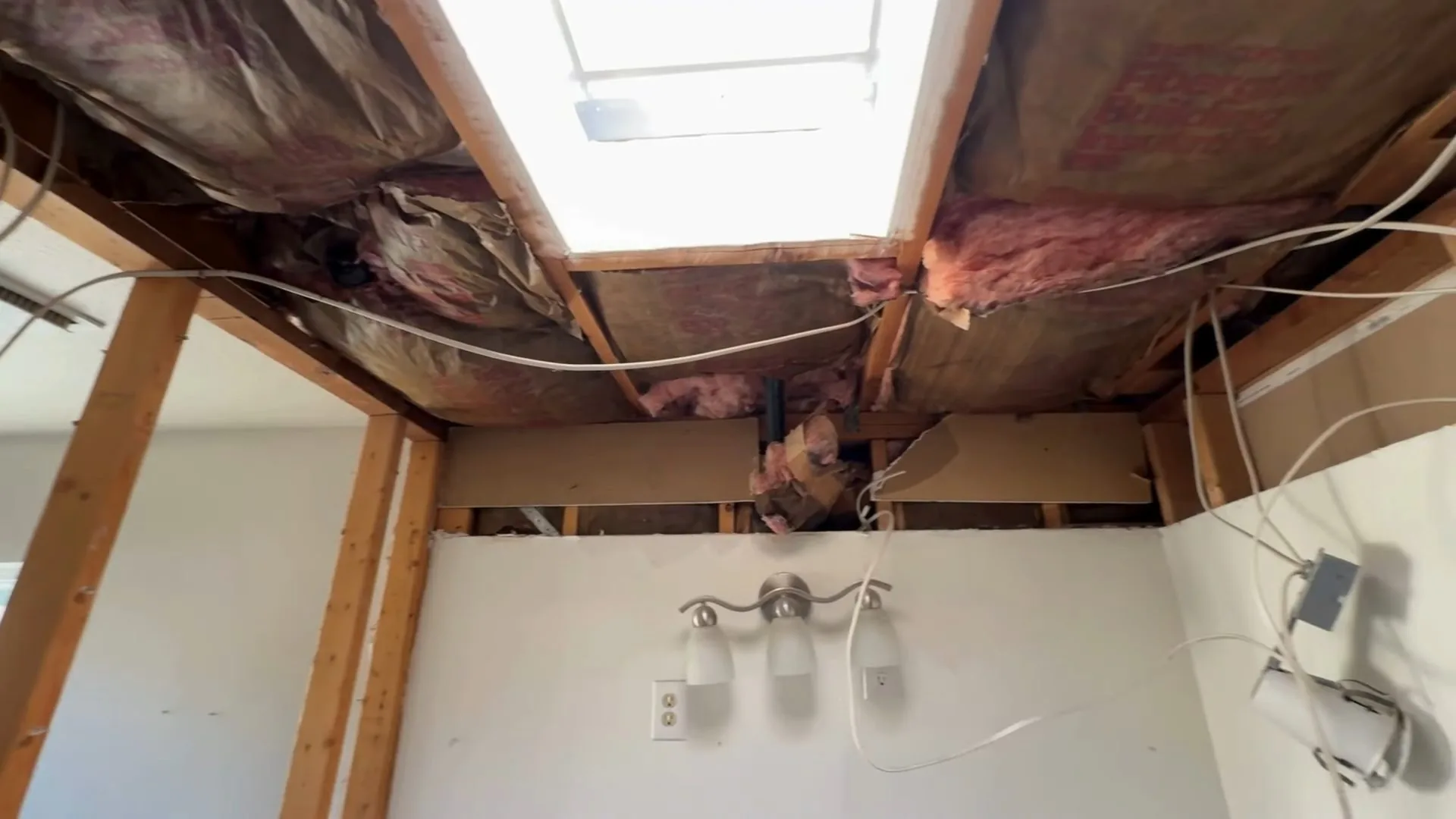
Permits and inspection
A repipe is permitted work in Florence County, through the Building Inspection Department on (843) 676-8600. The application needs proof of an SC license where one is required and a receipt showing water and sewer taps are paid.
Plumbing gets rough-in and final inspections, with tests following Section P312 of the Standard Plumbing Code, and the rough-in inspection has to happen before walls and ceilings are closed. That is a fixed point in the schedule.
A repipe quoted without inspection time built into it is a schedule that will slip.
Shutoffs and connectors worth replacing during a repipe
The walls are open and the system is apart, which makes several adjacent items inexpensive now and awkward later.
- Every fixture shutoff, so a future repair does not mean closing the whole house
- Supply connectors at every fixture, which are a common failure point
- The main shutoff, if the existing one is stiff or does not close fully
- A pressure regulator where incoming pressure runs high, since high pressure shortens the life of everything downstream
- Hose bib connections, which sit where a leak travels back inside a wall
Why this comes up in Florence
Water chemistry is the part with a published basis. City of Florence Utilities draws roughly 60 percent of supply from the McQueen Branch Aquifer through groundwater wells, with the rest from the Frank E. Willis Pee Dee River Regional Surface Water Plant, and reporting on the city's infrastructure programs cites elevated iron as the cause of discolored water at the tap.
What that means for pipes is deposition on the inside and, over long periods, an interior that is rougher and narrower than it started. On copper, water chemistry is also one of the factors behind pinhole corrosion, which is the failure mode that most often brings a house to this decision.
One thing we will not tell you is that homes of a particular decade in Florence need repiping. No median year-built figure is published for the city, and an era claim without one would be a guess. What your own house needs is answered by its leak history and by what the accessible pipe actually looks like.
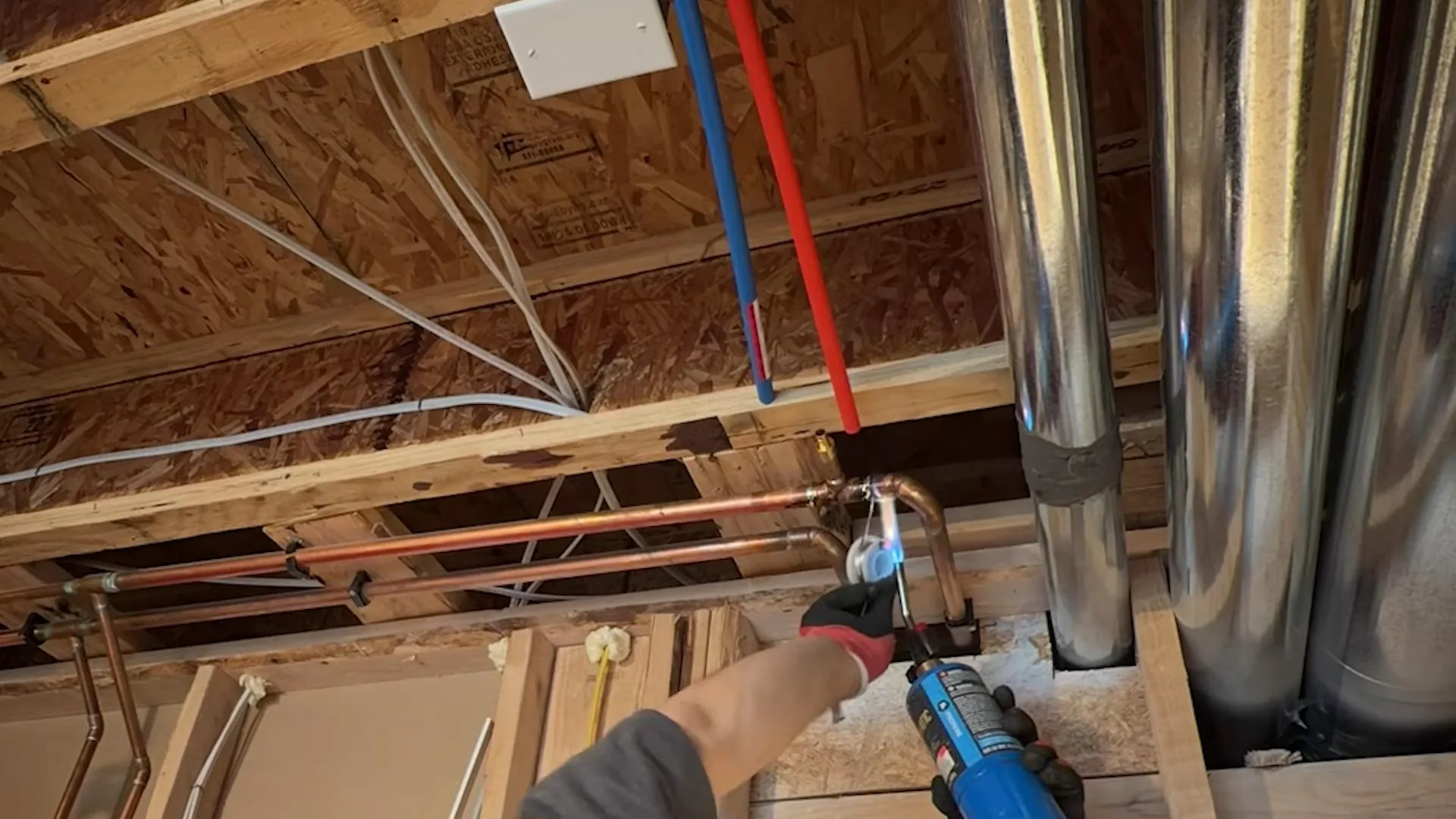
Partial repipes, which are sometimes the right answer
A whole-house repipe is not the only option. Where failures are confined to one run, replacing that run is proportionate and much less disruptive.
This comes up most often with a line under a slab. Rather than opening concrete repeatedly, that run is abandoned and rerouted overhead, leaving the rest of the system alone. The decision between that and a full repipe is on the slab leak page, since it usually arises there first.
Repiping questions, including whether you need it
How do I know if I actually need a whole-house repipe?
Look for repetition in the same system rather than for any single event. Two or more leaks on the same system within a couple of years, pinholes at more than one point on a run, pressure falling across the whole house, or repairs that keep landing on the same line all point at the system. A leak at a hose bib and a failed water heater in the same month are two unrelated events, not a pattern.
Should I use PEX or copper?
Most residential repipes here use PEX, for two practical reasons: it threads through cavities with fewer fittings so there is less wall damage to patch, and it is not susceptible to the pinhole corrosion that brings many houses to a repipe in the first place. Copper is still a sound material and we will fit it where you want it. It costs more in both material and labour and needs straighter access.
How long will my water be off?
Less than people expect. New lines are run alongside the existing ones wherever possible, so the house keeps water for most of the work, and fixtures are transferred in groups rather than all at once. Most jobs involve one or two planned interruptions, and we tell you when those are before the work starts. How long the whole job takes depends mainly on construction: single storey on a crawl space is quickest, two storey and slab-on-grade take longer.
What does repiping a house cost in Florence?
It depends on the square footage, the number of bathrooms, whether the house is single or two storey, and how accessible the runs are, since drywall access is a real part of the job. Material choice moves it too. We quote a range after seeing the house, and the Cost page carries a wide market range for whole-house repiping in PEX. We will also quote the repair alternative so you can compare both.
Does a repipe need a permit and an inspection?
Yes. It is permitted work through the Florence County Building Inspection Department on (843) 676-8600, and the application needs proof of an SC license where one is required plus a receipt showing water and sewer taps are paid. Plumbing gets rough-in and final inspections with tests following Section P312 of the Standard Plumbing Code, and the rough-in has to happen before walls and ceilings close. You can verify any contractor at verify.llronline.com under the Residential Builders Commission.
Second leak in two years?
Describe what is happening and you get a straight read on the likely cause, what the fix involves, and a price range before any work starts.