
Drainage · Florence, SC
Kitchen and Bathroom Drain Cleaning in Florence, SC: Slow Sinks, Backed-Up Tubs and Repeat Clogs
The first question on a drain call is not what is blocked. It is how many fixtures are affected, because that single detail tells you where the blockage sits and what it will take to clear.
One slow sink is a local problem at that trap or branch. A washing machine that empties and fills a tub, or an upstairs fixture that makes the kitchen sink gurgle, is a shared line. Clearing the nearest trap on a shared line problem buys a few days at best.
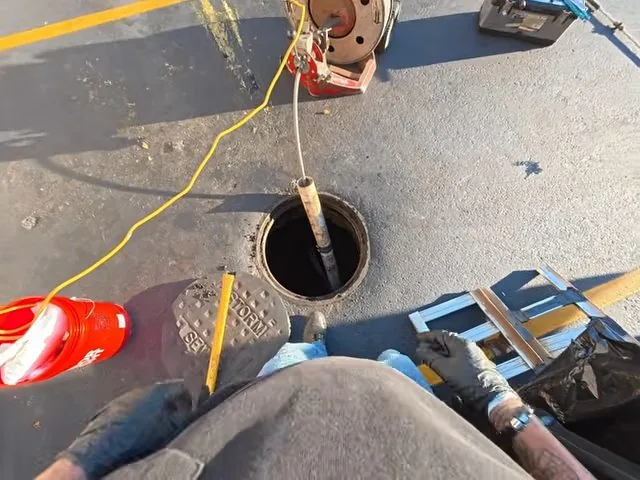
One fixture or several? Start there
Work out which fixtures are affected before calling, because it changes what we bring and what the visit costs. Run each drain in turn and note which ones are slow, which gurgle, and whether using one affects another.
Gurgling is the most useful signal most people ignore. Air being pulled through a trap means the line is partly blocked downstream of that fixture, and it is a warning that arrives days before a backup does.
| What you are seeing | Where the blockage probably is | Typical approach |
|---|---|---|
| One sink slow, everything else normal | That fixture's trap or branch | Clear at the fixture |
| Two fixtures in one room | The branch line serving that room | Clear from the nearest access |
| Using one fixture backs up another | The shared line below both | Clear from a cleanout, then camera |
| Lowest drain in the house backs up | The main line | Clear from the main cleanout, then camera |
| Everything slows during heavy rain | Capacity or infiltration downstream | Camera, then decide |

Clearing interior drains: kitchen, bath and laundry
Kitchen lines block differently from bathroom lines. Kitchen blockages are grease and food solids building a hard layer along the pipe wall, so the drain narrows gradually over months. Bathroom blockages are hair and soap, and they tend to arrive suddenly.
Laundry lines are their own case. A washing machine discharges a large volume fast, so a line that handles a slow sink fine will back up under a wash cycle. A laundry backup is often the first symptom of a main line problem rather than a laundry problem.
Mechanical clearing with a cable handles the great majority of these. We clear the blockage, run the fixture hard to confirm the line takes volume rather than a trickle, and tell you honestly whether what came out looks like a one-off or a pattern.
Backing up right now? Stop running water into that line and call before it spreads to another fixture.
Call (866) 919-0785Camera inspection, and why it comes after clearing
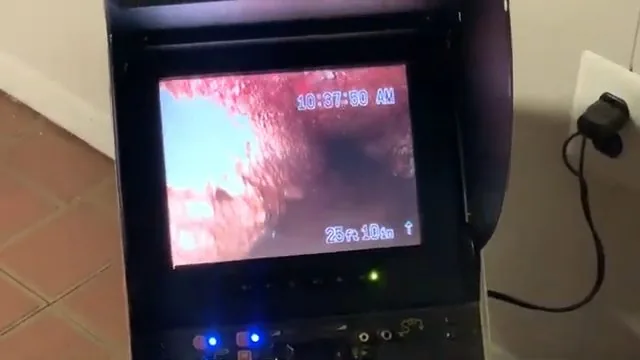
A camera run through a blocked line shows you the blockage. A camera run through a cleared line shows you the pipe, which is the part that actually tells you what happens next.
What we are looking for is the cause: roots at a joint, a belly holding standing water, scale narrowing the bore, a crack, or an offset where two sections have shifted. Each of those has a different answer, and none of them is another cable run.
If the camera shows clean pipe and a one-off blockage, that is worth knowing too. It means the fix is done rather than deferred.
Storm drains and French drains after heavy rain
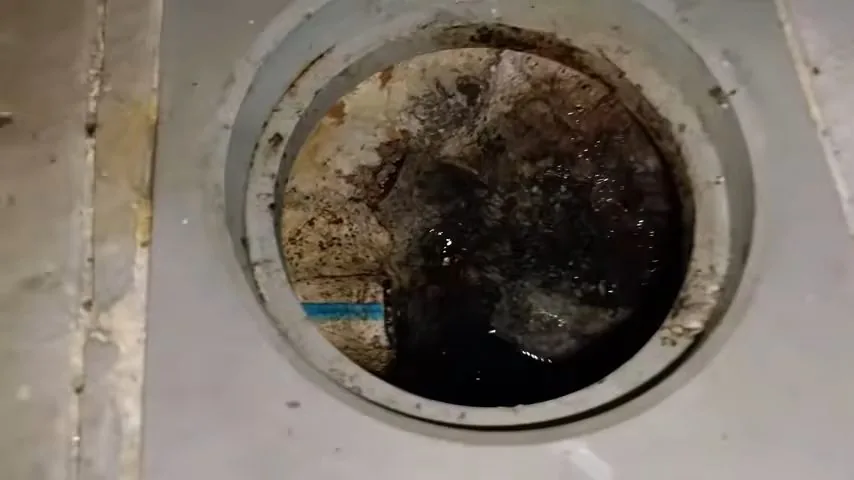
Site drainage is a separate system from the sanitary drains inside the house, and in this county it gets tested hard. Florence averages 45.3 inches of rain a year and has recorded 47 flood and flash flood events since 1993.
The daily records are what matters for drainage design: 13.25 inches in a day at Effingham, and 10.49 inches near Coward in October 2015. Yard drains, French drains and downspout lines silt up quietly and then fail on exactly the day they are needed.
Clearing these is straightforward work and worth doing before a storm season rather than during one.
Grease drains in commercial kitchens
Commercial kitchen lines are a different job from residential ones. The volume of grease is higher, the consequence of a blockage is a closed kitchen, and the lines are usually on a maintenance schedule rather than cleared on failure.
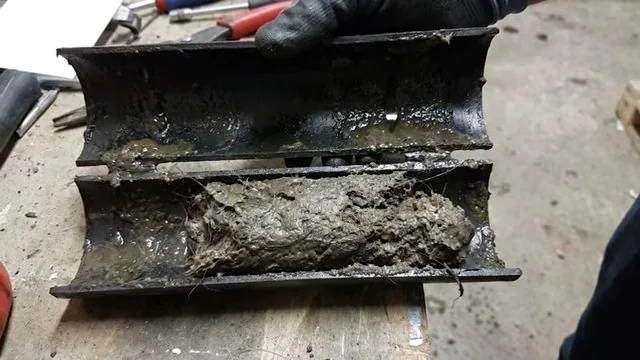
Where a line has a hard grease layer rather than a soft blockage, cable clearing punches a hole through it and the line closes again quickly. That case needs high-pressure cleaning, which is covered on its own page.
Keeping drains clear between visits
Most repeat drain calls are preventable, and none of the prevention is complicated.
- Keep grease out of kitchen drains. Let it set and bin it rather than running hot water after it.
- Use a hair catcher in showers and tubs. It is the single highest-value thing in a bathroom.
- Run water through rarely used fixtures monthly so the traps do not dry out and let sewer gas through.
- Avoid caustic drain chemicals. They damage older pipe and make the eventual mechanical clearing harder.
- If a drain has backed up twice in a year, have the line cameraed rather than cleared a third time.
Rain, the city sewer program and your drains
There is a local factor worth understanding. Florence is partway through a sewer program of about $300 million aimed at recurring sanitary sewer overflows into Jeffries Creek, replacing the interceptor at diameters from 8 to 54 inches and adding a regional lift station. Capacity constraints and upstream bottlenecks are the stated causes.
For a homeowner that means a backup during heavy rain is not automatically a fault on your property. It also means the reverse: assuming it is the city's problem when the blockage is actually on your lateral costs you time and a second call.
The camera settles it. Where the blockage sits relative to your property line decides who is responsible for the repair, and that is worth establishing before anyone quotes work.
Drain and backup questions we hear in Florence
How often should drains be professionally cleaned?
For a typical single-family home, preventative drain cleaning every 18 to 24 months is a reasonable cadence. Properties with mature trees near the sewer line, or a kitchen that produces a lot of grease, benefit from an annual visit. If a drain has backed up twice in a year, the useful next step is a camera inspection rather than a third clearing.
Why does my drain back up every time it rains heavily?
That pattern usually points at capacity or groundwater infiltration downstream rather than a blockage at your fixture. Florence County averages 45.3 inches of rain a year and has recorded 47 flood and flash flood events since 1993, and the city's own sewer program names capacity constraints as the cause of overflows into Jeffries Creek. A camera inspection of your lateral shows whether the problem is on your property.
Will a chemical drain cleaner from the store fix it?
Usually not, and it can make things worse. Caustic cleaners work on soft organic blockages but do nothing to grease layers, roots or a collapsed section, and they damage older pipe. They also sit in the line, which makes the mechanical clearing that follows more hazardous. Mechanical clearing is both more effective and gentler on the pipe.
What does drain cleaning cost in Florence?
It depends on access and where the blockage sits. A fixture-level clog with an accessible cleanout sits at the low end. A main line blockage, or one where no cleanout is accessible and the line has to be reached another way, sits higher. Camera inspection is usually priced separately. We give a range before starting, and the Cost page lists wide market ranges.
How do I check that the plumber is licensed in South Carolina?
South Carolina requires a Residential Plumber license from the Residential Builders Commission for residential work over $500, and the Contractor's Licensing Board covers commercial work over $10,000. The public lookup is at verify.llronline.com under the Residential Builders Commission, and the Commission's number is (803) 896-4696.
Drain backing up? Stop the water and call
Describe what is happening and you get a straight read on the likely cause, what the fix involves, and a price range before any work starts.