
Disaster Mitigation · Florence, SC
After a Pipe Break: Water Damage Restoration in Florence, SC for Soaked Floors, Walls and Ceilings
Water damage is governed by a clock more than by volume. A small leak caught in two hours is a dry-out. The same leak found on day three is a demolition job, because the water has moved into materials that cannot be dried in place.
So the sequence matters: stop the water, get it out, then dry the structure properly and prove it is dry with a meter rather than by touch. That is the work this page covers.
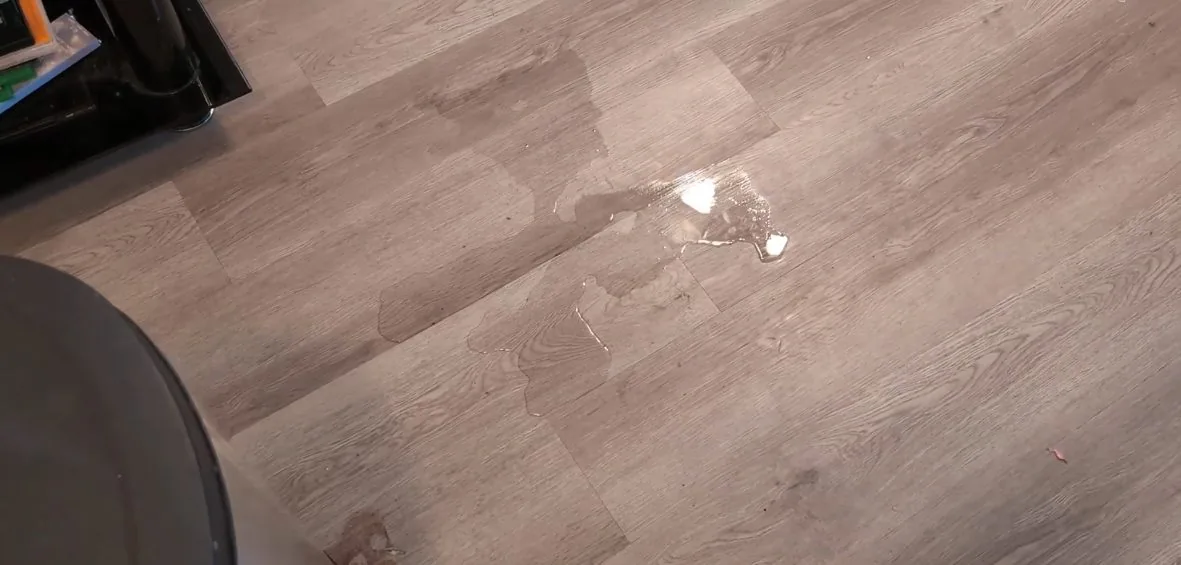
Water damage in the first two hours: stop the source, cut power
Stop the source first. For a supply line that means the main shutoff. For a sewer backup it means not running any more water into the system, which includes the washing machine and the dishwasher that may still be running unnoticed.
Then cut power to the affected area if water is anywhere near outlets, a panel or an appliance. Do not walk into standing water to reach a breaker panel.
Photograph everything before anything moves. Insurance decisions are made from those photographs, and the state of the room before cleanup is the part nobody can reconstruct afterwards.
- Shut off the water at the source or at the main.
- Cut power to the affected area if water is near electrical equipment.
- Photograph every room and every damaged item before moving anything.
- Lift what you can off the wet floor, especially furniture with stained feet.
- Call. Tell us the source, roughly how long it ran, and whether it is clean water or sewage.
The faster extraction starts, the less has to be removed. Call and we will tell you what to do while we are on the way.
Call (866) 919-0785Clean water, grey water and sewage are three different jobs
Why the source changes the method
The source decides the whole approach. Clean water from a supply line or a water heater can often leave most materials salvageable if drying starts quickly.
Grey water, from a washing machine or a dishwasher, carries contaminants and a shorter safe window. Sewage is a different category again: porous materials it has touched come out rather than dry, and the area needs cleaning and disinfection rather than just drying.
If what you have is sewage backing up rather than a supply leak, the cause is usually a blockage or capacity problem in the drain system, and that gets dealt with at the same time.
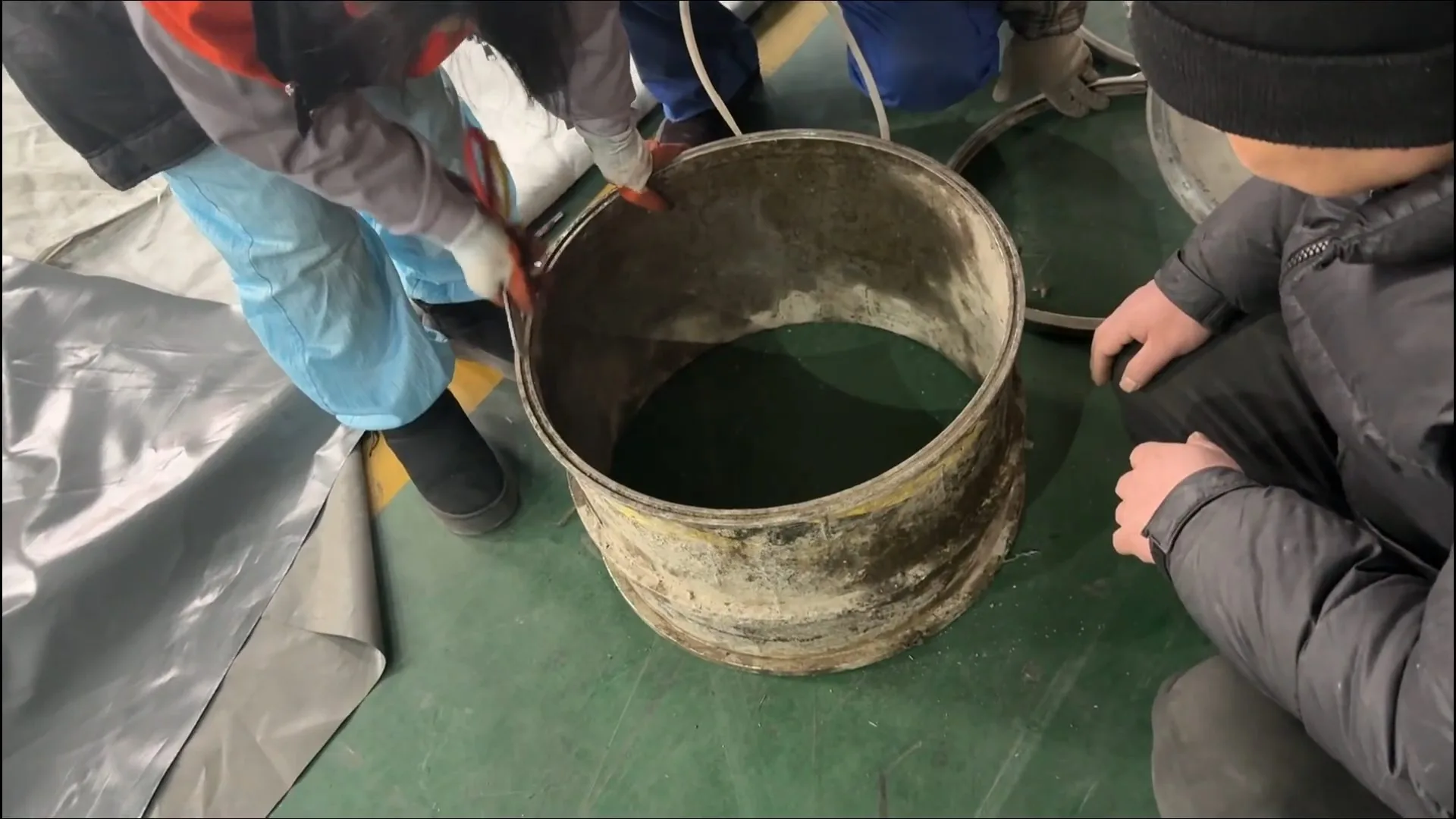
Extraction, then moisture mapping, then drying
Standing water comes out first, with extraction units rather than mops, because what is left behind in the pad and subfloor is what causes the second round of problems.
Then the structure is mapped. Moisture meters and thermal imaging find how far the water travelled, which is almost always further than the visible edge. Water wicks up drywall and runs along joists, so the wet area is usually larger than the stain.
Drying is then set up to that map: air movers to keep air moving across wet surfaces, dehumidifiers to pull the moisture out of that air, and daily readings to confirm the numbers are actually falling.
| Material | Usually dries in place? | What decides it |
|---|---|---|
| Solid hardwood flooring | Sometimes | How long it was wet and whether it has cupped |
| Carpet | Often, pad usually not | Water category and how long it sat |
| Drywall | Up to a point | How high the water wicked; cut lines are set to the meter |
| Insulation in a wall cavity | Rarely | It holds water against the framing |
| Cabinet bases and particleboard | No | The material swells and does not recover |
| Framing and subfloor | Usually | Reached through controlled airflow, not surface drying |
Water-damaged ceilings and walls fail in different ways
A ceiling holding water is the one situation that is urgent for safety rather than for cost. A bulging or sagging ceiling is carrying weight it was not designed for, and it comes down without warning. Keep people out from under it.
Walls fail more quietly. Water inside a cavity shows as a soft patch, a stain that keeps reappearing after painting, or a baseboard that has lifted slightly. The meter finds it; the eye usually does not until later.
Saving hardwood floors and carpet after water damage
Hardwood can often be saved if drying starts fast and is done with controlled airflow rather than heat. Cupping, where board edges rise above the middle, is not automatically the end of a floor; many floors flatten as they dry and can then be refinished.
Carpet is usually salvageable where the pad is not. The pad holds water against the subfloor and is inexpensive to replace, so pulling it is almost always the right call even when the carpet itself stays.
Why fast drying matters for mold after a water event
Mold needs moisture, and in a climate like this one it needs very little time. Florence County averages 45.3 inches of rain a year in a humid subtropical climate, so indoor humidity after a water event stays high unless it is actively managed.
Drying the structure properly and quickly is the thing that prevents mold, which is why the meter readings matter more than how dry a surface feels. Where growth has already started, we handle removal.
The work here is getting the water out, drying the structure and removing what cannot be saved. Mold testing and rebuilding afterwards are separate jobs, handled and priced on their own.
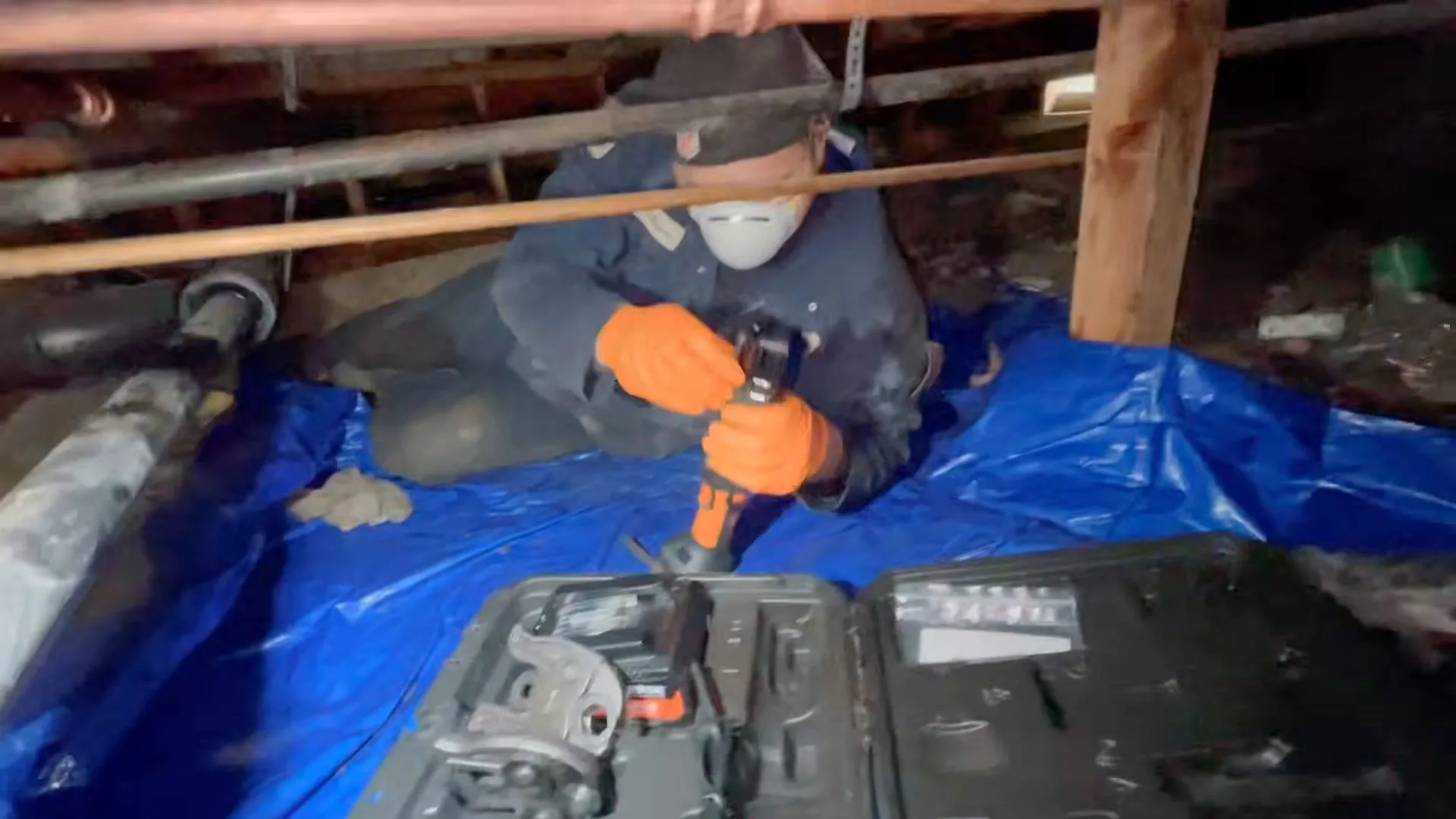
Storms, flooding and the local pattern
Not every water damage call starts inside the house. Florence County has recorded 47 flood and flash flood events since 1993, with $13.679 million in damage, and daily rainfall records of 13.25 inches at Effingham and 10.49 inches near Coward.
There is also the sewer side. The city is running a sewer program of about $300 million aimed at recurring overflows into Jeffries Creek, with capacity constraints named as the cause. A backup during a heavy storm can put contaminated water into a house through the lowest fixture.
Both patterns point the same way: the houses that come through these events best are the ones where someone knew where the shutoff and the cleanout were before it happened.
Water damage in a business or multi-unit building
In a commercial building the clock is tighter, because the question is when the business reopens. The work is the same in principle but the scale and the scheduling are different, and drying usually has to happen around continued occupancy.
In multi-unit buildings, water almost never stays in the unit it started in. Mapping matters more there, because the unit below and the units either side are frequently wet before anyone reports it.
What people ask after a flood in the house
How quickly does water damage need to be dealt with?
Extraction should start within hours, not days. The practical dividing line is roughly 24 to 48 hours: inside that window most materials can often be dried in place, and beyond it porous materials increasingly have to be removed instead. In a humid climate like this one the window is at the shorter end, because indoor humidity stays high unless it is actively managed.
My ceiling is bulging and full of water. What do I do?
Keep everyone out from under it and do not try to drain it yourself. A ceiling holding water is carrying weight it was never designed for and can come down without warning. Shut off the water supply if you can identify the source, cut power to that area if lighting or wiring is involved, and call. This is the one water damage situation that is a safety problem before it is a cost problem.
Does my carpet and hardwood have to be replaced?
Often not, if drying starts quickly. Carpet is frequently salvageable even where the pad underneath is not, and the pad is the inexpensive part. Hardwood that has cupped will often flatten as it dries under controlled airflow and can then be refinished. What rarely survives is wall insulation and anything made of particleboard, because both hold water against the structure and do not recover.
What does water damage cleanup cost in Florence?
It depends on the area affected, the category of water, how long it sat and how much equipment has to run and for how long. A contained clean-water event in one room sits far below a sewage backup across a floor. We give a range once we have seen the extent, and the Cost page carries wide market ranges for related work.
Do you handle the rebuild afterwards, and do you do mold testing?
No to both, and we would rather be clear about it up front. Our scope is extraction, structural drying and removing materials that cannot be saved, plus mold removal where growth has already started. We do not do mold testing, and we do not quote reconstruction or finishing work. Rebuilding is separate and we will tell you that rather than quoting it as part of the same job.
Water in the house right now?
Describe what is happening and you get a straight read on the likely cause, what the fix involves, and a price range before any work starts.