
Water Heating · Florence, SC
Switching to a Tankless Water Heater in Florence, SC: Gas Sizing, Venting and Annual Descaling
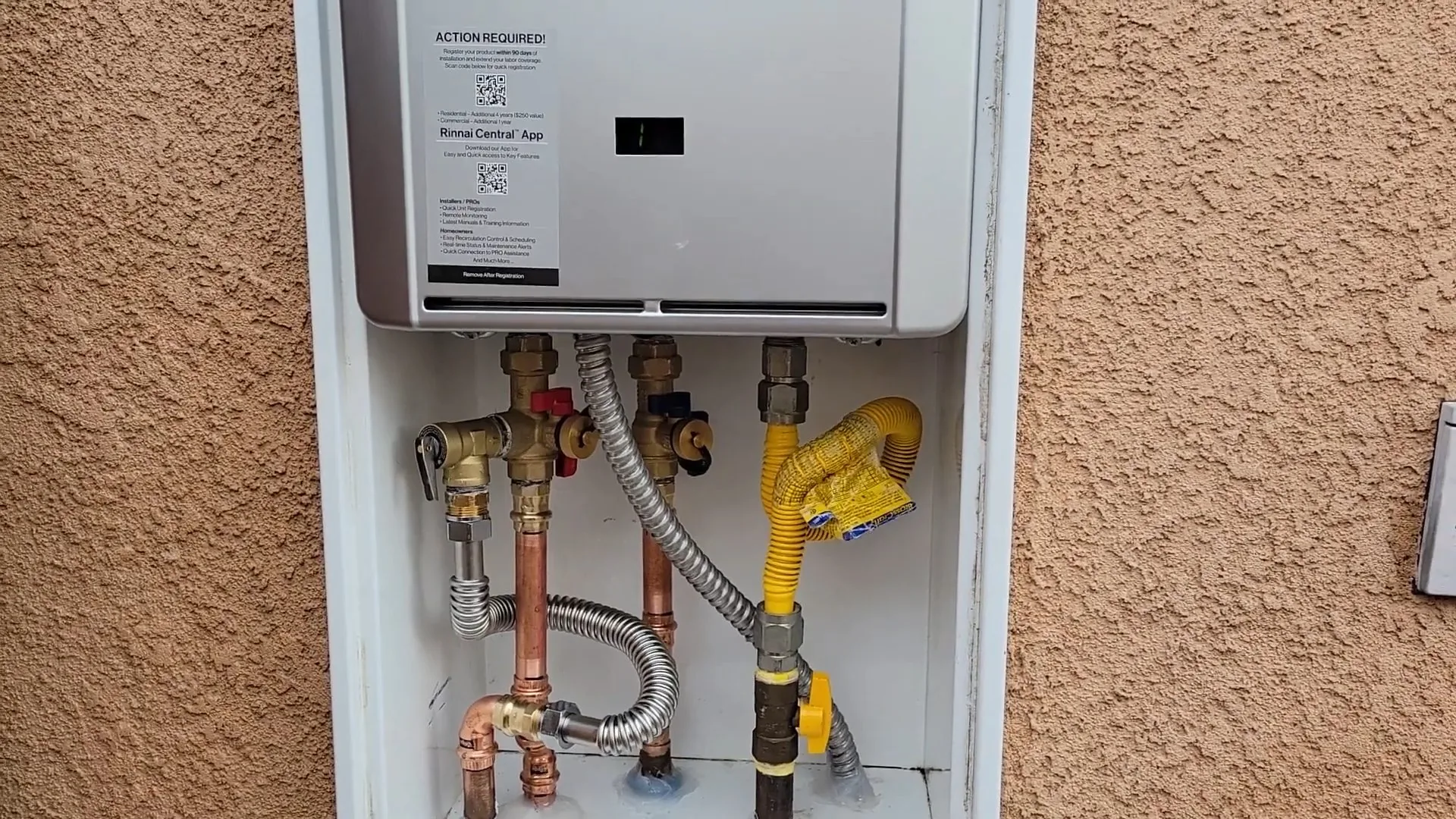
Tankless units heat water as it passes through rather than storing it hot, which means they do not run out. That is the real advantage and it is a genuine one.
What they do not do is produce hot water instantly, or work well when undersized, or run without maintenance. Most disappointment with tankless traces back to one of those three expectations rather than to the equipment.
What tankless does and does not change
It does mean endless hot water, within the unit's flow capacity. It does reclaim the floor space a tank occupied, and it removes the risk of a tank failing and emptying its contents onto a floor.
It does not make hot water arrive faster at the tap. The delay you experience is the cold water sitting in the pipe between the heater and the fixture, and that pipe is the same length whichever unit feeds it.
And it does not remove maintenance. A tankless unit needs annual descaling, and in this water that is not optional advice.
Tankless sizing: gallons per minute and temperature rise
A tank is sized in gallons. A tankless unit is sized in gallons per minute at a given temperature rise, and both halves of that matter.
Temperature rise is the difference between incoming water temperature and your target. A unit rated at a certain flow is quoting it at a specific rise; ask for more rise and the same unit delivers less flow. Incoming water is colder in winter, which is precisely when demand is highest.
So sizing is done against simultaneous demand in the coldest part of the year, not against a summer average. An undersized unit behaves fine in August and disappoints in January, which is the single most common complaint we hear about tankless.
| Running at once | Approximate flow needed | Note |
|---|---|---|
| One shower | Around 2 gallons per minute | Modern heads are lower |
| Shower plus a sink | Around 2.5 to 3 | Common morning pattern |
| Two showers | Around 4 | The usual sizing driver |
| Shower plus laundry plus a sink | Around 5 | Worth designing around if it happens |
Thinking about tankless? Tell us how many fixtures run at once and we will size it against a January rise rather than a July one.
Call (866) 919-0785Gas supply, which is where retrofits get expensive
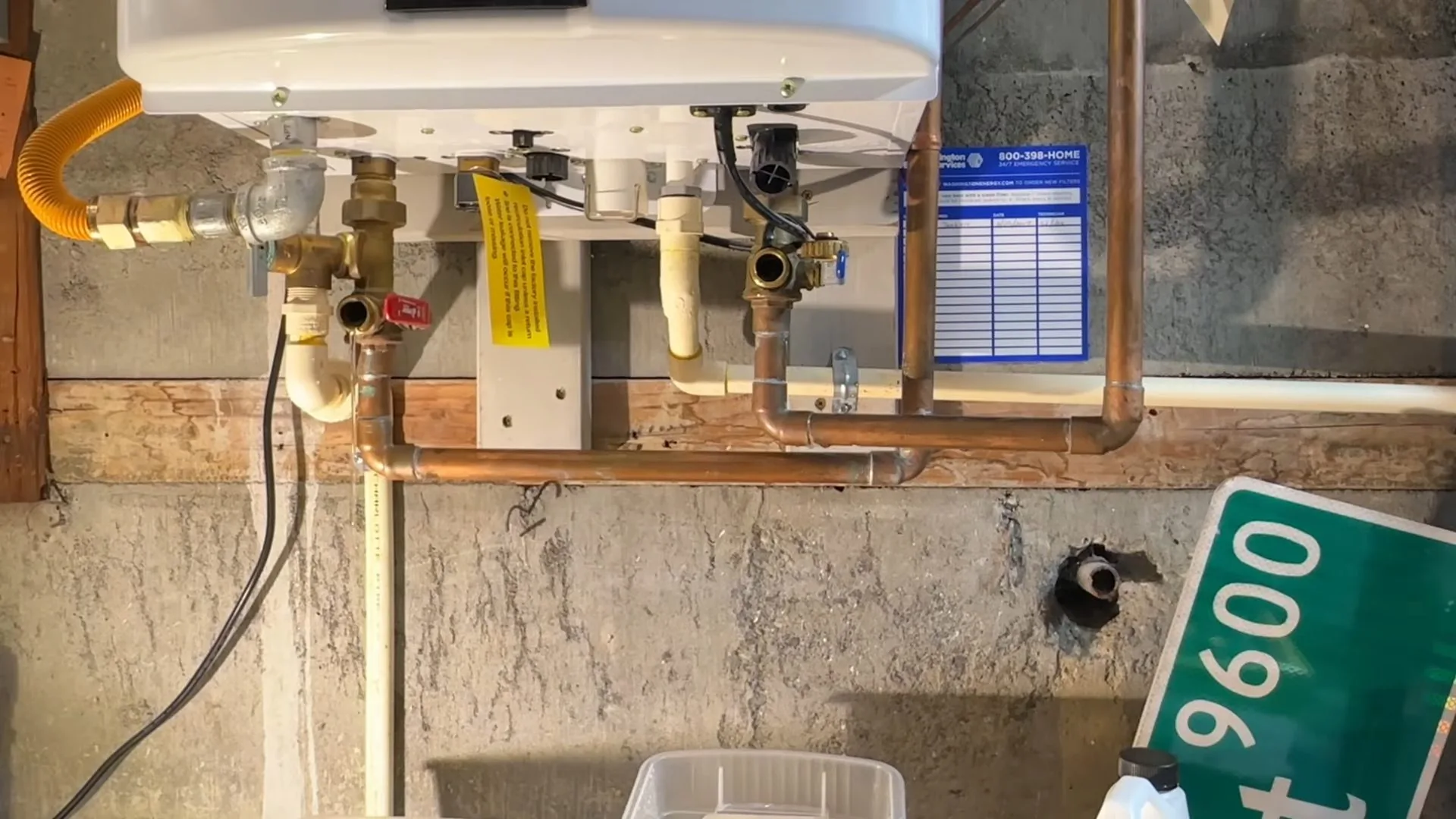
A gas tankless unit draws considerably more gas while running than the tank it replaces, because it is heating water on demand rather than slowly. The existing gas line is frequently too small for it.
That is the cost most retrofit quotes miss. Running a correctly sized line from the meter is real work, and it is permitted and inspected work: in Florence County, gas gets a rough piping inspection and then a final piping inspection including a pressure test before the appliance is connected.
Venting changes too. Tankless units use their own sealed venting rather than the flue a tank used, so that is a second item a like-for-like quote may not include. We price both rather than discovering them on the day.
Electric units and what they ask of a panel
Whole-home electric tankless units need substantial dedicated circuits, often more than one, and in many houses the panel simply does not have the capacity without an upgrade.
That makes them a better fit for point-of-use applications than for whole-home duty in a retrofit, unless the electrical service is already generous.
Point-of-use units at a single fixture
A small tankless unit installed at one fixture solves a specific problem: a sink a long way from the heater where hot water takes a long time to arrive and a lot of water goes down the drain waiting.
A detached workshop, a garage sink, a guest bathroom at the far end of a long run or a converted outbuilding are the usual cases. It is a much smaller job than a whole-home unit and it often solves the complaint that made someone consider replacing the whole system.
Descaling, and why it matters in this water
A tankless unit heats water through a narrow heat exchanger, so anything that deposits inside that exchanger has an outsized effect. A tank has room to accumulate sediment at the bottom and keep working; a tankless unit does not.
City of Florence Utilities draws roughly 60 percent of supply from the McQueen Branch Aquifer through groundwater wells, and reporting on the city's infrastructure programs cites elevated iron as the cause of discolored water at the tap. Mineral and iron deposition is exactly what a heat exchanger does not tolerate.
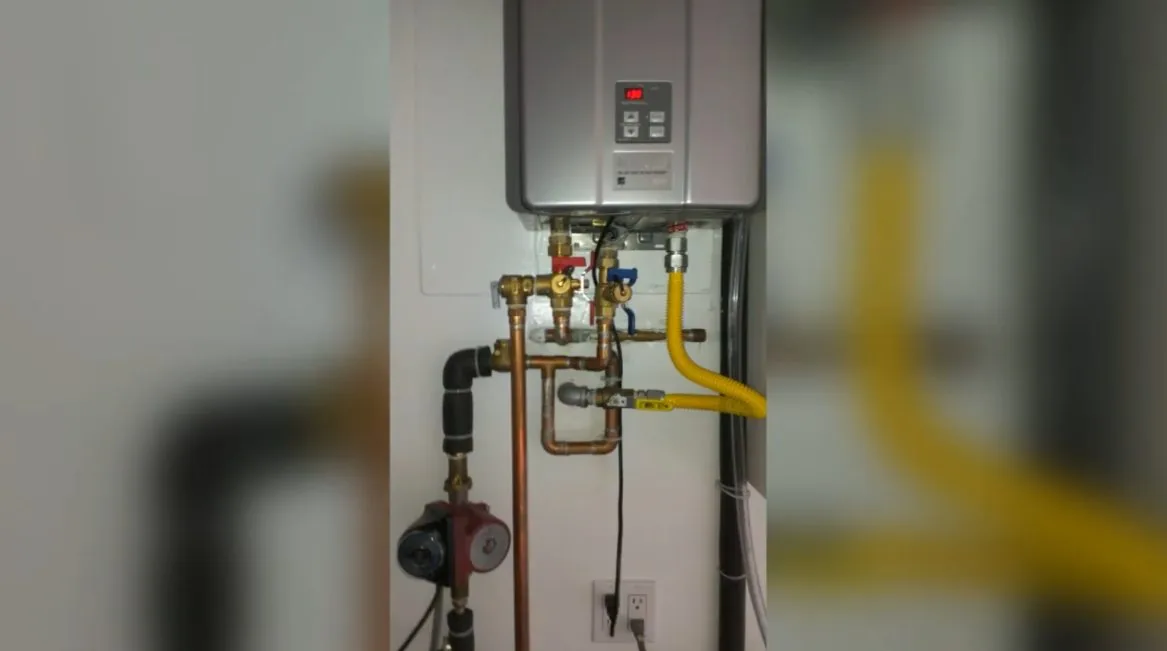
So annual descaling here is the maintenance that determines whether you get the long service life tankless is sold on. Units installed with isolation valves can be descaled in under an hour; units installed without them cannot be descaled at all without cutting pipe.
The install details that decide the next ten years
- Isolation valves fitted at install, so annual descaling is a routine job
- A sediment prefilter where supply carries iron or grit
- Gas line sized to the unit's actual demand, not to the tank it replaced
- Condensate drainage routed properly on condensing units
- Venting run to the unit's specification rather than reusing the old flue
- Mounted where it can actually be serviced, not boxed into a space it just fits
Is a tankless water heater worth it for your house?
Honestly, sometimes not. A household that never runs out of hot water with its current tank is paying a retrofit premium for a benefit it does not experience, particularly where the gas line and venting both need work.
Where it does make sense is a household that regularly runs out, one that wants the floor space back, one where a tank failure would do expensive damage, or a new build where the gas line and venting are being designed anyway rather than retrofitted.
We will tell you which category you are in before quoting, including when the answer is that a correctly sized tank serves you better.
What people get wrong about tankless
Will tankless give me instant hot water?
No, and this is the most common misunderstanding. Tankless means hot water that does not run out, not hot water that arrives faster. The wait at the tap is the cold water sitting in the pipe between the heater and the fixture, and that pipe is the same length whichever unit feeds it. If a long wait at one distant fixture is your actual complaint, a point-of-use unit or a recirculation arrangement addresses it; a whole-home tankless will not.
Why does my tankless unit run cool in winter?
Almost always undersizing. Tankless capacity is quoted as flow at a given temperature rise, and incoming water is colder in winter, so the same unit delivers less flow at your target temperature exactly when demand is highest. A unit sized against a summer average performs fine in August and disappoints in January. Sizing has to be done against simultaneous demand at a winter inlet temperature.
How often does a tankless water heater need descaling?
Annually, and in this water that is not optional. A tankless unit heats through a narrow heat exchanger, so deposits have an outsized effect compared with a tank that can accumulate sediment at the bottom and keep working. Florence supply is roughly 60 percent groundwater and reporting cites elevated iron as the cause of discolored water. If isolation valves were fitted at install, descaling takes under an hour.
What does a tankless install cost in Florence?
The unit is often the smaller part. A gas retrofit frequently needs a larger gas line run from the meter and its own sealed venting, and both are permitted and inspected work, with gas requiring a rough and then a final piping inspection including a pressure test. Electric whole-home units can need a panel upgrade. We price the whole job including those items rather than quoting the unit and discovering them on the day.
Should I switch from a tank to tankless?
Not always, and we will say so. If your current tank never runs out and your gas line and venting would both need work, you are paying a retrofit premium for a benefit you do not experience. It makes real sense where the household regularly runs out of hot water, where you want the floor space, where a tank failure would do expensive damage, or on a new build where the gas and venting are being designed rather than retrofitted.
Considering tankless in Florence?
Describe what is happening and you get a straight read on the likely cause, what the fix involves, and a price range before any work starts.