
Wilson Heights · inside Florence city limits
Emergency Plumber in Wilson Heights, Florence, SC: Patching an Older System or Replacing It
A house that has stood for forty or fifty years has usually had its pipes repaired more than once. The question an owner who plans to stay faces is when another repair stops being the sensible answer.
Wilson Heights is a compact area, about 0.44 square miles, named for Wilson Road. Its homes were mostly built between the 1960s and the 1980s.
Wilson Heights, inside the city of Florence
Wilson Heights is a compact area inside the city, within the 29501 ZIP code.
Homes from the 1960s to the 1980s: the pipes that came with them
Homes built across those decades did not all get the same plumbing. What a house has depends on when it was built and what has been replaced since. The table shows what is typical for each period, which is not the same as what is in a specific house.
| Period | Common supply pipe | Common drain pipe | What tends to fail |
|---|---|---|---|
| 1960s | Galvanized steel or copper | Cast iron | Galvanized corrodes inside; pressure falls |
| 1970s | Copper, some galvanized | Cast iron, early plastic | Copper joints and old valves |
| Late 1970s to 1980s | Copper; polybutylene in some homes | Cast iron or PVC | Polybutylene fittings, if present |
| After a past repair | Whatever the plumber used then | Mixed | The joint between old and new |
Polybutylene is a gray or blue flexible plastic supply pipe that was used in some homes from the late 1970s into the 1990s, and it is known for failing at its fittings. If you can see gray flexible pipe under a sink or at the water heater, have it looked at before it leaks.
Seen gray flexible pipe, or green crust at copper joints? Describe what and where, and we will say whether it needs looking at now.
Call (866) 919-0785Seventy-six percent owner-occupied: repair or replace when you plan to stay
About 76 percent of Wilson Heights homes are owner-occupied. An owner who stays has a different calculation from a landlord or a seller, because the benefit of ending a cycle of repairs accrues to the person living there.
Each repair carries its own cost and the cost of the wall, ceiling or floor opened to reach it. The second and third often cost more in finish work than in plumbing. Where the pattern says four or five more, replacing the system usually costs less in total.
- Count the leaks on the same system in the last three years
- Add up what each repair cost including the patched wall or floor
- Note whether pressure has fallen across the whole house
- Check whether any supply pipe is gray flexible plastic
- Ask for the repair quote and the replacement quote together
Wilson Heights: same-era homes age the same way
Wilson Heights covers roughly 0.44 square miles, and homes built in the same years by the same builders tend to age in the same way. What failed next door is a fair preview of what may fail at your address.
That is useful rather than alarming. Ask neighbors what went wrong and when, and compare it with your own record. A cluster of the same failure on the same street is a pattern worth acting on before it reaches you.
- Replacing a whole system rather than patching it
- Finding a leak without opening walls
- Old drains that keep slowing
- A tank that has reached the end of its life
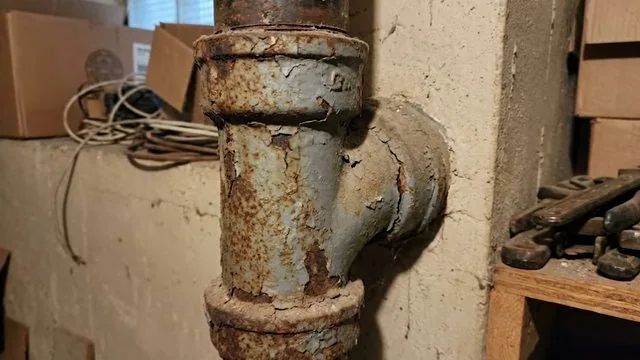
Cast iron drains at forty or fifty years: slow, not broken
Many homes from these decades have cast iron drain lines, and cast iron lasts a long time. What changes with age is the inside of the pipe, where scale builds up and the bore narrows, so drains slow long before anything actually breaks.
That matters because a slow drain in an older house invites a chemical cleaner, and caustic products attack older pipe. A camera shows whether the line is scaled, cracked or simply coated, and the answer decides between cleaning it and replacing a section.
A repipe in a home you live in: what the work involves
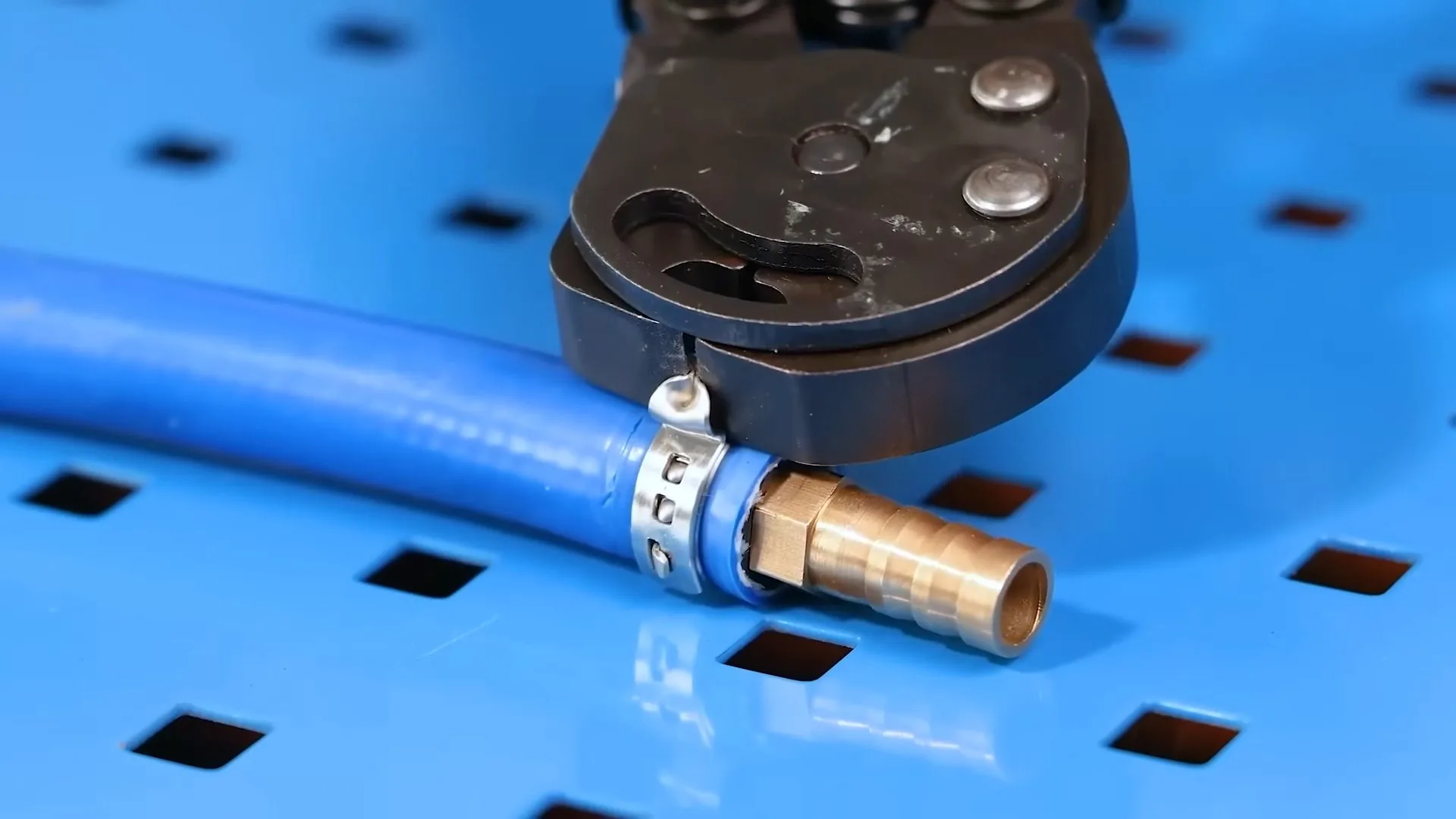
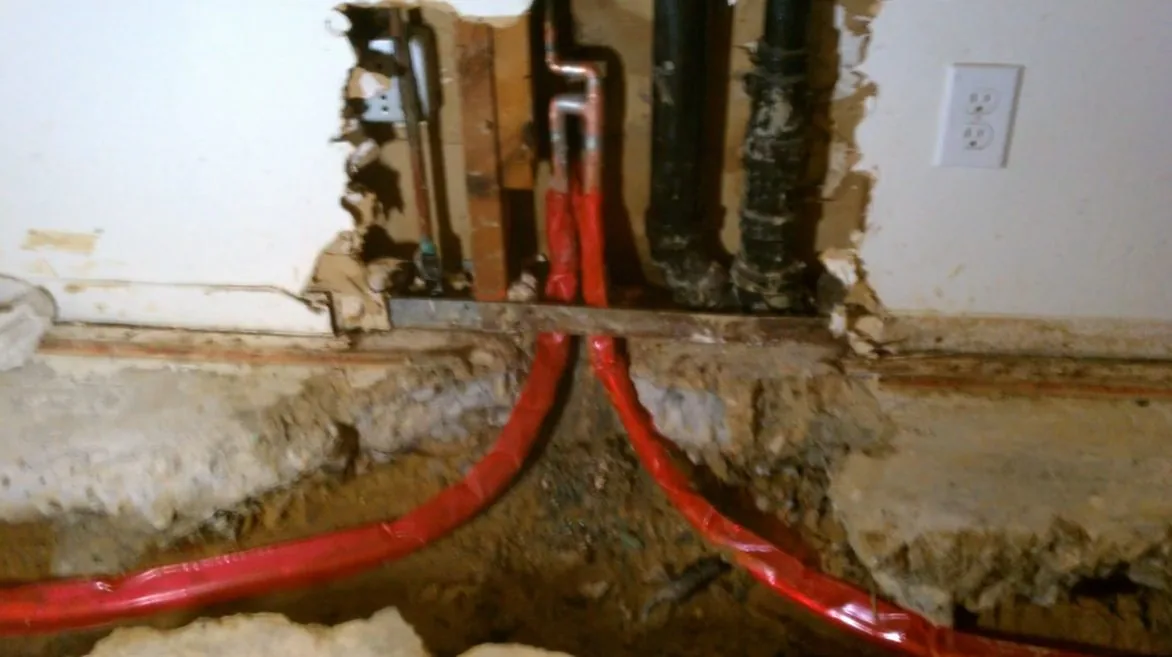
A repipe is permitted work in Florence County through the Building Inspection Department on (843) 676-8600, with rough-in and final inspections. The new lines are run alongside the old where possible, so most homes keep water for most of the work.
Single-storey homes on a crawl space are the most straightforward case, because most of the work happens underneath. Slab-on-grade houses usually mean routing overhead through the attic. The repiping page has the full sequence.
Not every house needs all of it. Where failures are confined to one run, replacing that run is proportionate and far less disruptive than opening every wall.
Do you serve Wilson Heights? Older-home owner questions
Do you serve Wilson Heights in Florence, SC?
Yes. Wilson Heights is inside the 29501 delivery area our Florence dispatch line covers. Call (866) 919-0785 with the address and what is happening.
My house was built in the 1970s. What pipes does it have?
It depends on what has been replaced since. Homes of that period commonly have copper or galvanized supply and cast iron drains, and some late-1970s and 1980s homes have polybutylene. Looking at accessible pipe under sinks and at the water heater tells you what you actually have.
What is polybutylene and should I worry about it?
Gray or blue flexible plastic supply pipe used in some homes from the late 1970s into the 1990s, known for failing at its fittings. If you find it, have it looked at before it leaks. Finding none is also useful to know.
Should I repair or replace the pipes in an older house?
Count the leaks on the same system, add up what each repair cost including the opened wall, and ask for both quotes together. One leak is usually a repair. A pattern of four or five more usually favors replacement.
What does repiping a house cost?
It depends on square footage, bathrooms, storeys and access. The Cost page carries a wide market range for whole-house repiping, and we quote after seeing the house.
Pipes from the 1970s, leaks in 2026?
Describe what is happening and you get a straight read on the likely cause, what the fix involves, and a price range before any work starts.