
Sewer & Mains · Florence, SC
Sewer Repair With Trenchless Pipe Lining in Florence, SC: What Cured-in-Place Relining Can Fix
Trenchless lining rebuilds a sewer line from the inside. A resin-saturated liner is pulled or inverted into the existing pipe through an access point and cured in place, leaving a new jointless pipe inside the old one.
The appeal is obvious when the line runs under a driveway, a patio or a mature tree. The thing worth being clear about is that it is not always the right method, and a company that offers it for every line is selling a method rather than solving a problem.
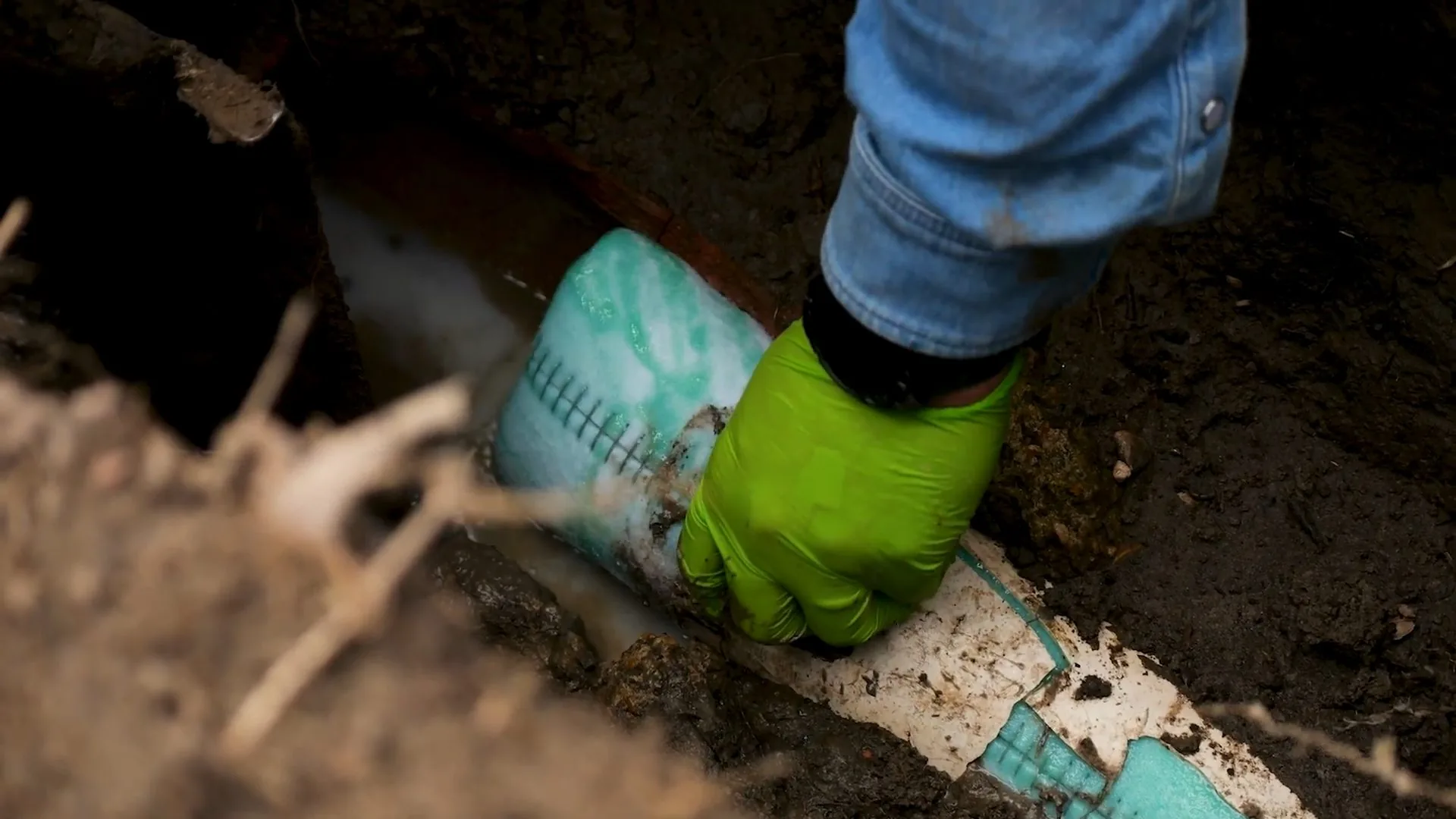
Trenchless against open-trench, honestly compared
Both methods end with a working sewer line. They differ in what they disturb, what they cost and what conditions they need, and the comparison is worth making before anyone commits.
| Trenchless lining | Open-trench replacement | |
|---|---|---|
| Surface disruption | Access points only | Trench along the whole run |
| Driveways and paving | Usually untouched | Cut and reinstated, often the biggest cost |
| Mature trees | Root systems left intact | Roots cut or the tree lost |
| Time on site | Often a single day | Several days including reinstatement |
| Line must be | Structurally present and passable | Any condition, including collapsed |
| Changes fall or grade | No, it follows the existing line | Yes, fall can be corrected |
| Internal diameter | Slightly reduced by the liner | Unchanged or increased |
When lining is the right answer
Lining works where the host pipe is still structurally present and continuous enough to take a liner. Cracks, root intrusion at joints, scale and moderate offsets are all conditions it handles well.
It is at its most valuable when what sits above the line is expensive to put back. A concrete driveway, a paved patio, established landscaping or a mature tree can each cost more to reinstate than the sewer work itself.
When trenchless lining will not work: collapse, offset, belly
A collapsed section has nothing to line against, so that length has to be opened regardless. A severe offset where sections have shifted substantially can stop a liner seating properly.
A belly is the case most worth understanding. A liner follows the existing pipe exactly, so lining a section that has lost its fall gives you a new pipe with the same standing water in the same place. The symptom returns, and the lining is wasted money. That is a dig.
This is the honest limit of the method, and it is the reason the camera inspection comes first rather than the sales pitch.
Been quoted trenchless without a camera run first? That is worth a second opinion, and we will tell you if digging is the right answer.
Call (866) 919-0785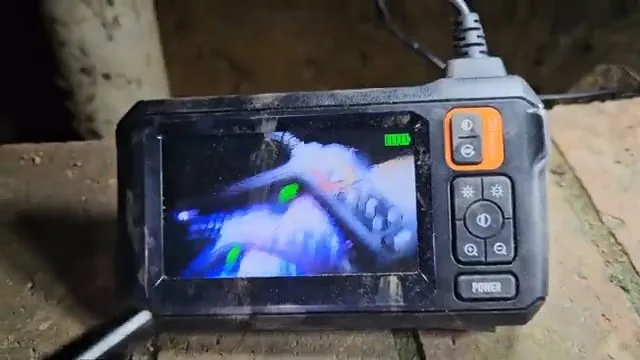
How trenchless lining runs: camera, cleaning and liner
- Camera inspection and measurement, confirming the line is a candidate and recording its condition.
- The line is cleaned, usually by jetting, so the liner bonds to pipe wall rather than to scale and roots.
- A second camera pass confirms the clean and the measurements before the liner is cut.
- The liner is saturated with resin, then inverted or pulled into position through the access point.
- It is pressed against the host pipe and cured, which sets it as a continuous jointless pipe.
- Any branch connections are reinstated internally with a cutter.
- A final camera pass records the finished line, and that recording is yours.
The result of relining: a jointless pipe inside the old one
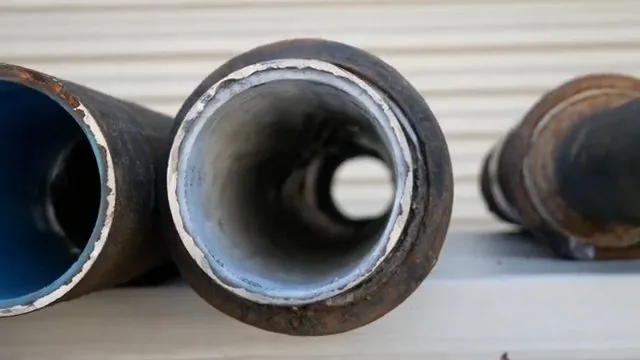
The result is a jointless pipe inside the old one. That matters more than it sounds, because joints are where roots enter and where offsets occur. Removing them removes the most common failure mode on a residential lateral.
The liner does reduce internal diameter slightly. On a correctly sized residential lateral this is not a practical problem, because the smooth bore of new material carries flow at least as well as the rough scaled interior it replaced.
Cost, compared against what digging really costs
Compared per foot, lining is usually the more expensive method. Compared per job, it frequently is not, and that is the comparison that matters.
The reason is reinstatement. Open-trench work under a concrete driveway means cutting it, excavating, backfilling, compacting and then replacing the concrete, and that last item is often the single largest line on the invoice. Lining avoids it entirely.
Where the line runs under open lawn with easy access, the arithmetic reverses and digging is normally the sensible choice. We quote both where both are viable rather than steering you.
Why lining suits Florence: tree roots and heavy rainfall
Two things make lining particularly relevant here. The first is tree cover: mature trees close to residential streets are both the leading cause of root intrusion and the thing most damaged by trenching to fix it.
The second is water. Florence County averages 45.3 inches of rain a year with 47 recorded flood and flash flood events since 1993. A freshly backfilled trench in saturated ground settles, and settlement over a sewer line is how the next belly forms. A lined pipe leaves the surrounding ground undisturbed.
Trenchless questions worth asking
Is trenchless lining always better than digging?
No, and anyone who says otherwise is selling a method. Lining needs a host pipe that is structurally present and passable. A collapsed section has nothing to line against. A severe offset can stop a liner seating. And a belly is the important one: a liner follows the existing pipe exactly, so lining a section that has lost its fall leaves you with the same standing water in a new pipe. That one is a dig.
How long does the line last after lining?
A cured-in-place liner is a continuous jointless pipe, and joints are where roots enter and where offsets form, so the most common residential failure mode is removed. Liner materials are rated for decades of service. What we can tell you concretely is what the final camera pass shows, and that recording is yours to keep.
Will it reduce my drain flow?
The liner does slightly reduce internal diameter, but on a correctly sized residential lateral that is not a practical problem. The new surface is smooth, where the pipe it lines is usually scaled and rough, so flow is generally at least as good as before and often better.
What does trenchless sewer lining cost in Florence?
Per foot it is usually more than open-trench work. Per job it frequently is not, because the largest cost in digging is often reinstatement rather than pipe: cutting and replacing a concrete driveway can exceed the sewer work itself. Length, diameter, pipe condition and the number of branch connections all move the number. Where both methods are viable we quote both, and the Cost page carries a wide market range for lining.
Do you need to come inside the house?
Usually only briefly, and sometimes not at all. The work runs through an exterior cleanout where one is accessible. We need interior access to run water and confirm flow at the end, and occasionally to reach an interior cleanout where there is no usable one outside. We tell you which before the day rather than on it.
Sewer line under a driveway or mature trees?
Describe what is happening and you get a straight read on the likely cause, what the fix involves, and a price range before any work starts.