
Sewer & Mains · Florence, SC
Broken Sewer Line Repair in Florence, SC: Backups, Bellied Pipe and Collapsed Laterals
The first question on a sewer call is not what is broken. It is whose pipe it is, because that decides who pays for the repair and it is settled by a camera rather than by argument.
Between your fixtures and the city main sits your lateral, and that length is the homeowner's responsibility. Past the connection it becomes the city's. A blockage or a failure can sit on either side, and in this city that is a live question rather than a theoretical one.
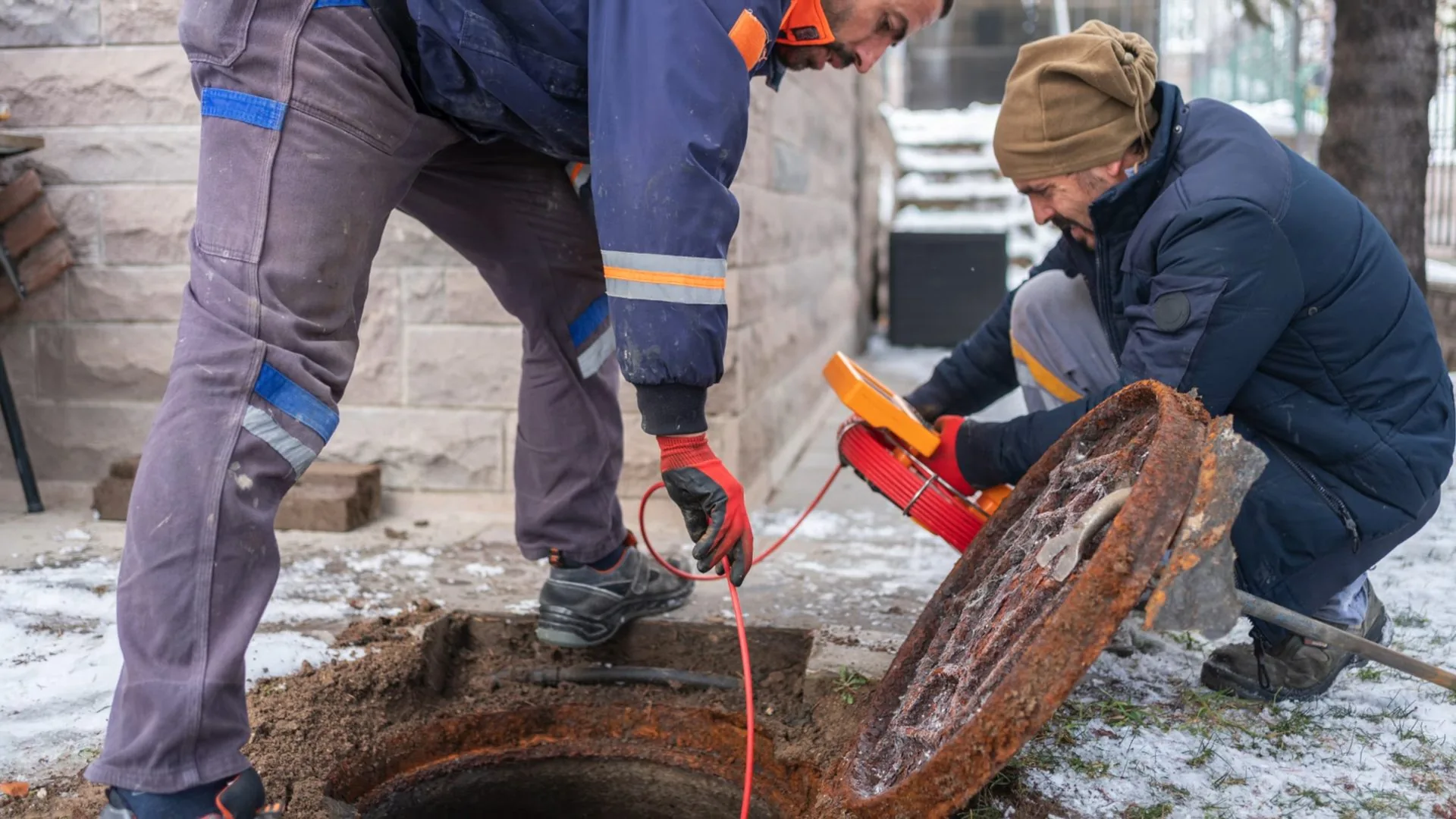
Your lateral, the city main, and why it matters here
Florence is partway through a sewer program of about $300 million aimed at recurring sanitary sewer overflows into Jeffries Creek. The work replaces the interceptor at diameters from 8 to 54 inches and adds a regional lift station, and the stated causes are capacity constraints and upstream bottlenecks.
That has a direct consequence for homeowners. When a sewer backs up during heavy rain, it is genuinely possible that nothing on your property has failed, and equally possible that your lateral has a problem the rain simply exposed.
Establishing which before anyone quotes excavation is the single most valuable thing we do on these calls. A camera run to the connection answers it in about an hour.
What tells you the line itself is failing
A one-off blockage and a failing lateral look similar from inside the house. The difference is in the pattern rather than the symptom.
- Backups that return within weeks of being cleared, in the same place
- More than one fixture affected at once, especially the lowest in the house
- Gurgling from a toilet when a bath or washing machine drains
- Sewage smell outside near the line run, or unusually lush grass in a strip
- A patch of yard that stays soft or sinks slightly over the line
- Backups that correlate with heavy rain rather than with household use
Camera inspection, and what it actually finds
The camera goes in through a cleanout and runs the length of the lateral to the connection, recording as it goes. What we are looking for is the cause, because the cause decides the repair.
Roots are the most common finding. They enter at a joint or a crack as fine hairs, then thicken until they hold waste. Clearing them mechanically works and keeps working for a while, but the entry point is still there.
A belly is a section that has lost its fall and holds standing water, which is why that spot blocks repeatedly. Offsets, where two sections have shifted apart, and cracks or collapses are the other findings, and each has a different answer.
| Finding | What causes it | Usual answer |
|---|---|---|
| Root intrusion at a joint | Fine roots entering a crack, then thickening | Clear, then line or repair the entry |
| A belly holding water | Section lost its fall, often bedding settlement | Excavate and re-lay that section |
| Offset joint | Two sections shifted apart | Repair or line, depending on severity |
| Scale narrowing the bore | Age and pipe material | Clean, then assess remaining wall |
| Crack or partial collapse | Age, load, or damage | Repair, line or replace that length |
| Clean pipe, isolated blockage | One-off | Clear it; no further work needed |
Backing up more than once? A camera run settles whether it is your lateral or the city's main before anyone quotes a dig.
Call (866) 919-0785Clearing a main line versus repairing it
Main line clearing is the immediate work: a cable or cutting head run from the cleanout to open the blockage and get the house usable again. That is often the right first step even when a repair is coming, because it buys time to make the larger decision properly.
What clearing does not do is fix a cause. If the camera then shows roots at a joint or a belly, clearing is maintenance rather than a repair, and the interval between visits will shorten.
Where the problem is a drain inside the house rather than the main line, that is covered on the drain cleaning page instead. The dividing line is whether more than one fixture is affected.
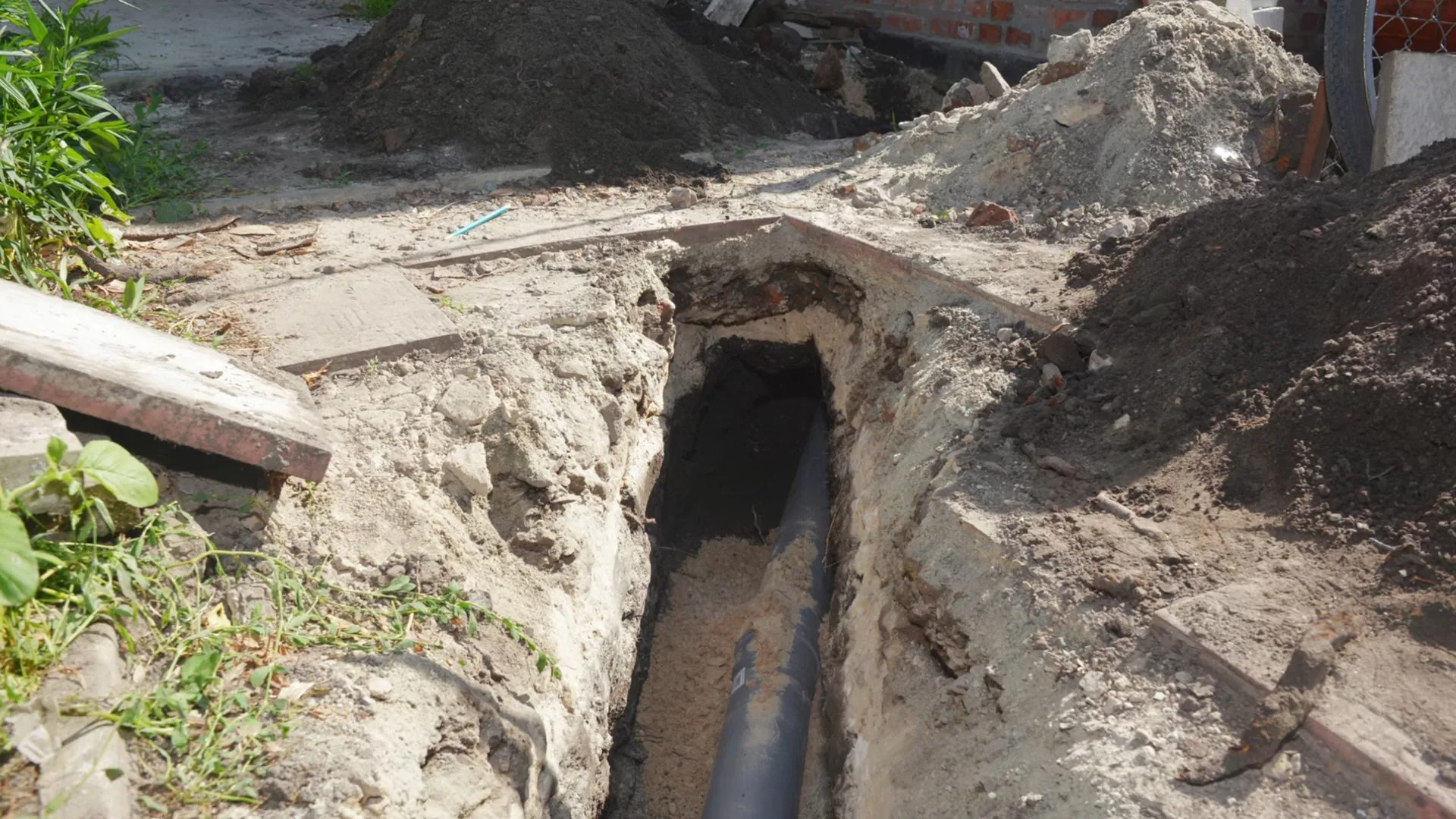
Excavation and spot repair
Where a single section has failed and the rest of the line is sound, a spot repair is the proportionate answer. The line is located, a trench is opened over that section only, the damaged length comes out and new pipe goes in with proper bedding and fall.
Bedding is the part that decides whether the repair lasts. A section re-laid onto poorly compacted fill settles, loses its fall and becomes the next belly, which is how a repair turns into a repeat visit two years later.
Any excavation needs utility locating done before a shovel goes in the ground. That applies without exception, to us and to anyone else.
Full replacement, and when it is actually the right call
Replacement makes sense when the camera shows the problem is the line's condition rather than one point on it: scale through the length, multiple offsets, or a material at the end of its service life.
The honest test is what the next five years look like. If a spot repair leaves four other findings in the same line, the repair is buying months rather than years, and the arithmetic usually favours replacing the run.
Where the line runs under a driveway, a mature tree or finished landscaping, trenchless lining is often the better route, and that has its own page because the method and the decision are different.
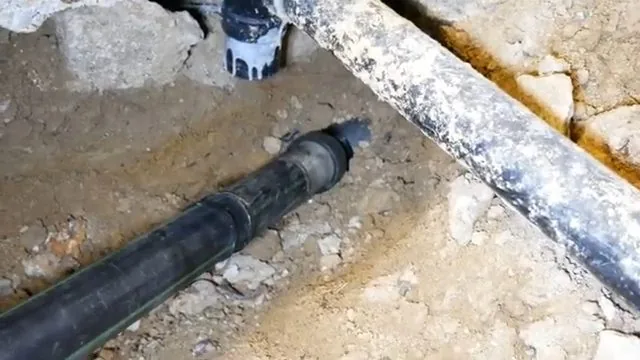
Commercial and multi-unit sewer lines
Commercial laterals carry more and carry worse. A restaurant line deals with grease volumes a house never produces, and a multi-unit building concentrates the waste of many households into one run.
The practical differences are access and scheduling. The line is usually larger, the cleanouts are not always where you would want them, and the work frequently has to happen outside operating hours because the alternative is closing the business.
Florence has a substantial institutional and commercial base around the McLeod Regional Medical Center and MUSC Florence campuses, and that kind of property generates steady work of this type.
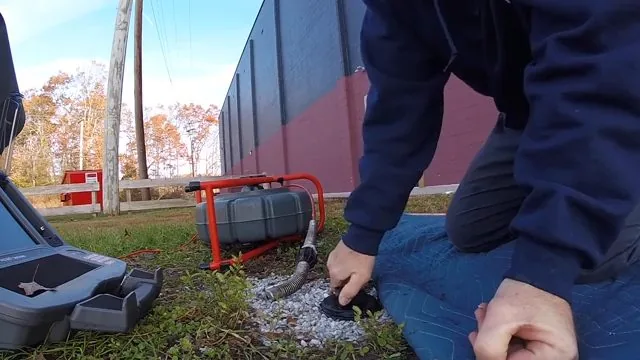
What makes sewer lines fail in this area
Roots are the first factor, and this is a region with mature tree cover close to residential streets. A root system finds the moisture and nutrients in a sewer line and follows any crack or loose joint to reach it.
Water is the second. Florence County averages 45.3 inches of rain a year and has recorded 47 flood and flash flood events since 1993. Saturated ground moves bedding, and bedding movement is what produces bellies and offsets over decades.
Age is the third and it is the one nobody can do anything about. A lateral installed fifty years ago in the material of its day has a service life, and reaching the end of it is not a failure of maintenance.
Where to find your cleanout before you need it
The single most useful thing you can do in advance is know where your cleanout is. It is usually a capped pipe at ground level outside, somewhere on the run between the house and the street.
Finding it in daylight when nothing is wrong takes five minutes. Finding it at night with sewage coming up through a shower takes considerably longer and costs you time we could be spending clearing the line.
Sewer line questions, including who pays
My sewer backs up when it rains. Is that my problem or the city's?
It can genuinely be either, which is why it is worth establishing rather than assuming. Florence is running a sewer program of about $300 million specifically aimed at overflows into Jeffries Creek, replacing the interceptor at diameters from 8 to 54 inches, and capacity in heavy rain is the stated cause. But rain also exposes an existing fault on a private lateral. A camera run to the connection shows which side of the property line the problem sits on, and that decides who is responsible.
How do I know if I need a repair or just a clearing?
The pattern tells you. A one-off blockage that clears and does not return was a one-off. Backups that come back within weeks, in the same place, mean the cause is still there. The camera then shows whether it is roots at a joint, a belly holding water, an offset or a crack, and each of those has a different answer. Clearing a line with a structural fault is maintenance, not a repair.
Do you have to dig up my yard?
Not always. Where one section has failed and the rest of the line is sound, a spot repair opens a trench over that section only. Where the line runs under a driveway, a mature tree or finished landscaping, trenchless lining often avoids digging the length altogether, and that has its own page. Which is right depends on what the camera finds, which is why inspection comes before any quote.
What does sewer line repair cost in Florence?
It varies more than almost any other plumbing job, because the pipe is rarely the expensive part. Depth, length, what is above the line, and whether a driveway or paving has to be reinstated all move the number considerably. A spot repair on an accessible run sits far below a full replacement under a driveway. We quote a range once the camera has shown the extent, and the Cost page carries wide market ranges.
How do I check the contractor is licensed for this work?
South Carolina requires a Residential Plumber license from the Residential Builders Commission for residential work over $500, which sewer work exceeds, and commercial work over $10,000 falls under the Contractor's Licensing Board. The public lookup is at verify.llronline.com under the Residential Builders Commission, or the Commission can be reached on (803) 896-4696. Florence County also requires proof of an SC license with the permit application where one is needed.
Sewer backing up or a line you suspect has failed?
Describe what is happening and you get a straight read on the likely cause, what the fix involves, and a price range before any work starts.